A Comprehensive Guide: What Is a Portable Line Boring Machine and How Does It Work?
In this comprehensive guide we look in detail at what this revolutionary piece of equipment — also known as a mobile boring machine — is, how it works, what problems it solves and what an enormous increase in efficiency it can deliver for your business.
What Is a Portable Line Boring (Mobile Boring) Machine?
At its most basic, a portable line boring machine is a portable metal working (machining) machine used to restore the worn, damaged or out-of-tolerance cylindrical bores of large, heavy or hard-to-dismantle machines and equipment to their original dimensions where they stand (on site).
Whereas traditional methods require the part to be taken to a huge fixed lathe or boring bench, these compact, powerful machines are set up directly at the repair site. As a result, the time needed for a repair falls from weeks to hours and costs are significantly reduced.
How Does It Work? The Basic Working Principle
The working principle of a mobile boring machine is built on precision and stability. The operation generally consists of three main steps:
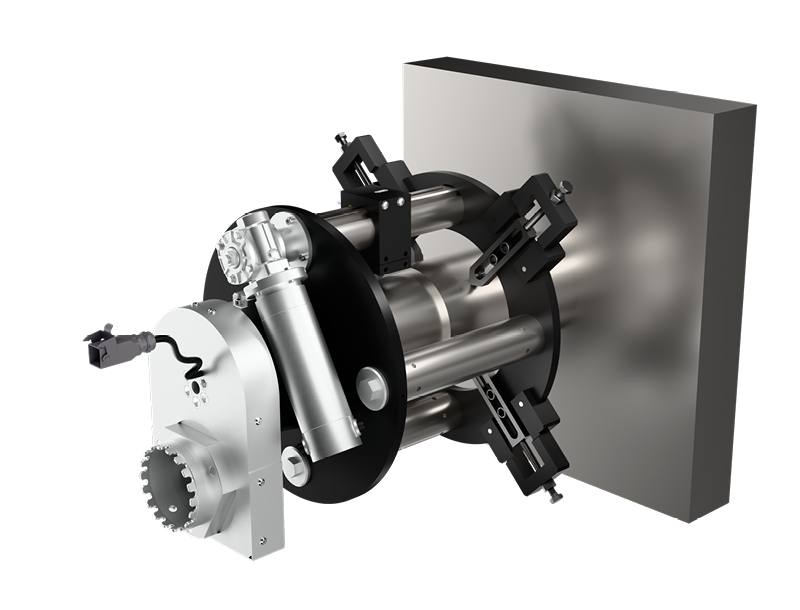
- Set-up and alignment: The main body of the machine is clamped to both ends of the bore to be repaired using special bearing brackets and centring cones. This step is critical to the precision of the operation and ensures the original axis of the bore is captured flawlessly.
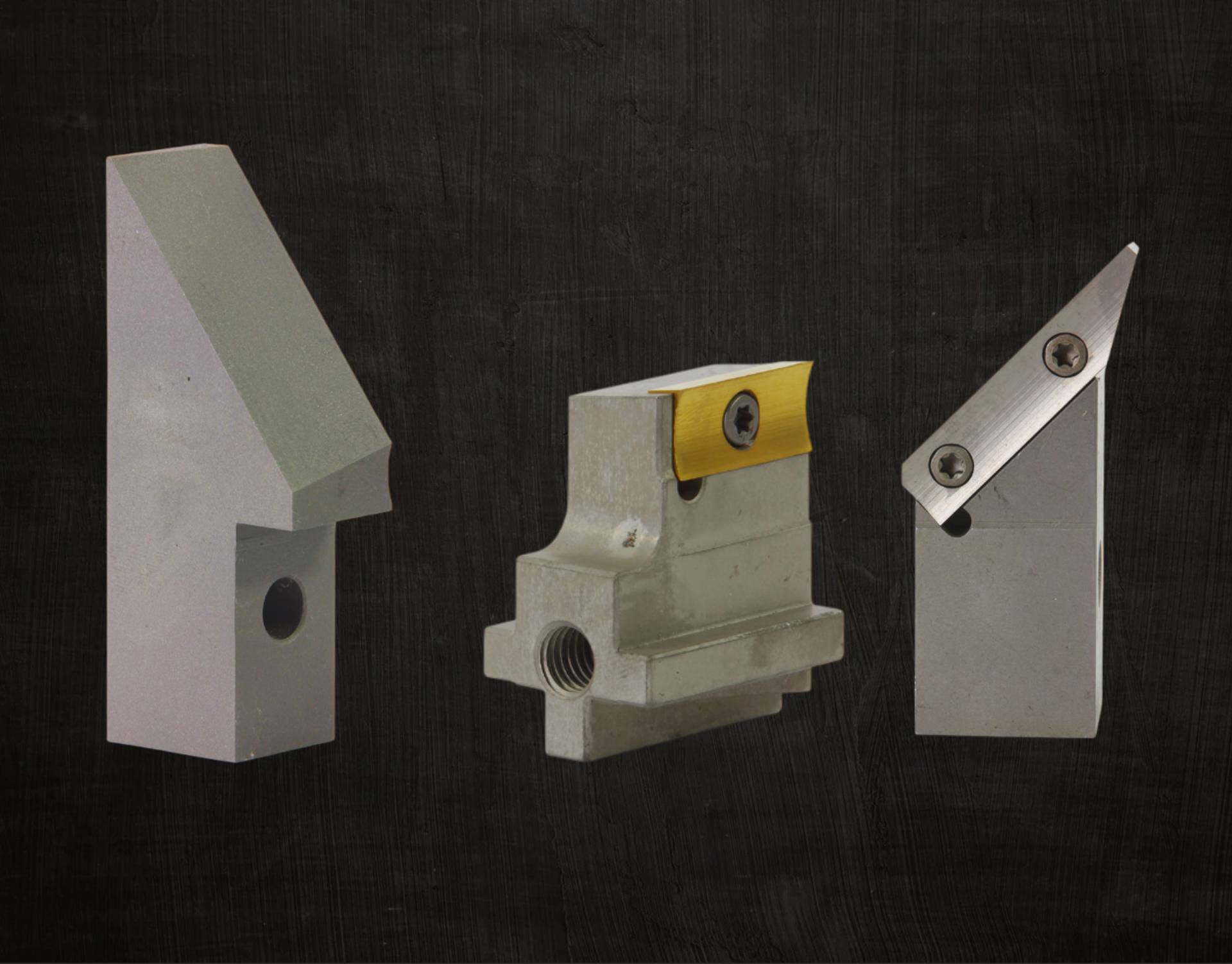
- Machining (boring): A bar passing through the aligned bearings and rotating about its own axis carries a tool holder fitted with a cutting insert. As this bar rotates it also advances, removing excess material from the inner surface of the bore as chips and bringing the bore to a smooth, true surface at the required diameter.
- Weld filling (when needed): If the bore is heavily worn, its inner surface is filled with an automatic welding torch before boring. This operation is generally carried out at the same time as the bar rotates, thanks to a system integrated with the machine. The boring that follows then gives the bore its original — and even a stronger — structure. Studies on this show that on-site welding and machining preserve the metallurgical properties of the material when the correct procedures are followed.
What Problems Do These Machines Solve? Main Fields of Use
- Construction machinery: "Excavator bucket repair" is one of the most common applications. Ideal for repairing the bucket, boom, arm and chassis pivot bores of machines such as excavators, loaders and dozers.
- Industrial plants: Enables on-site repair of parts that are impossible to dismantle, such as presses in factories, valve bodies, gearbox bearings and turbine casings.
- Shipbuilding and power plants: Used on work requiring high precision, such as repairing propeller shaft bearings, rudder systems and the large engine blocks in power plants.
The Advantages of On-Site Bore Machining
- Enormous time savings: Transport, dismantling and refitting disappear.
- Lower cost: Logistics, heavy crane hire and labour costs fall to a minimum.
- Minimum downtime: Your equipment is back in operation in a far shorter time.
- High precision: Repairs of workshop quality, or even more precise, can be made in the field.
- Increased workplace safety: Risky dismantling and transport operations are no longer needed.
The Sector Leader: Meet the Elsa Supercombinata Series
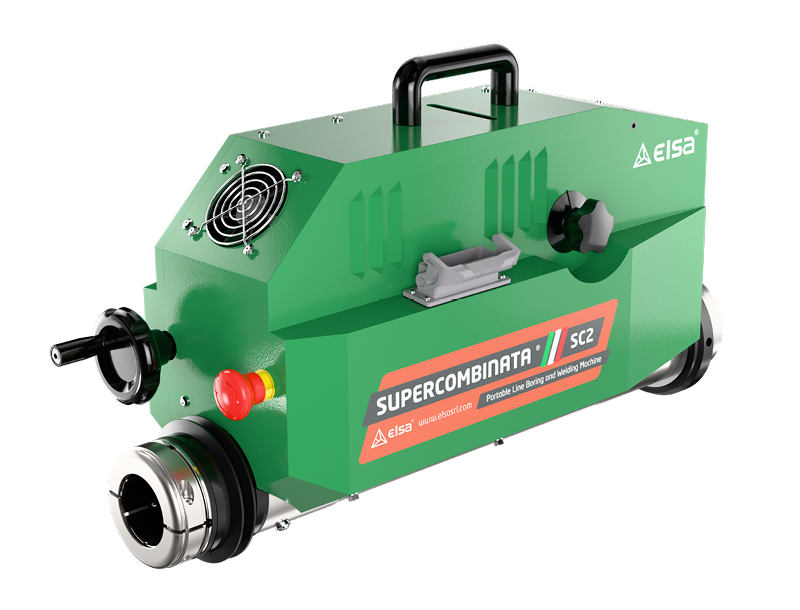
When it comes to putting theory into practice, Elsa machines — a marvel of Italian engineering — stand out. Developed over decades of experience, they offer a solution for every need, as you will see when you look at the whole ELSA Supercombinata series.
The series' most popular and most versatile model is the Supercombinata SC2, which has become the sector standard, with its design combining weld filling and boring in a single body. This machine lets you do high-precision work across a wide diameter range from Ø42 mm to Ø600 mm. For more compact and hard-to-reach areas, models such as the EASY Compact, the ideal solution for confined spaces, offer practicality without compromising flexibility.
Not Just Bores: Extend Your Capabilities
The power of the Elsa Supercombinata is not limited to machining bores. Thanks to its modular design you can turn these machines into a fully fledged mobile repair centre. For example, with the optional external turning kit you can use your machine like a portable lathe to repair worn pin or shaft surfaces. And not only that: thanks to special kits you can easily carry out even complex operations such as blind bore machining, flange facing and even on-site thread cutting.
Conclusion: A New Era in Repair
Portable line boring machines are no longer a luxury but a necessity for every business that wants to get ahead in the competition and maximise efficiency. Leaving behind logistical nightmares, waits lasting weeks and exorbitant repair costs, they make it possible to carry out precise, workshop-quality repairs directly in the field. This technology reduces your business's downtime, increases its profitability and gives you back your most valuable resource: time.
If you are ready to take your business's repair processes to the next level, you can take the first step by exploring the unmatched capabilities of the ELSA Supercombinata SC2.
Frequently Asked Questions (FAQ)
1. What do mobile line boring machine prices depend on?
Prices vary considerably according to the machine's machining capacity (diameter range), motor power (electric, hydraulic), whether it has weld filling, the brand and the standard accessories included. It is important to establish your need correctly before investing.
2. Are these machines suitable for every brand of construction machinery?
Yes. Portable line boring machines are universal. They are not specific to any brand. As long as the machine's capacity suits the diameter and length of the bore to be repaired, it can be used comfortably on equipment from all brands such as Caterpillar, Komatsu, Volvo and JCB.
3. Is special training needed to use this machine?
A technician with basic machining knowledge can use these machines comfortably after short training. The machines have a user-friendly, easily adjustable design. Operator training is generally also provided by the manufacturer or the distributor.