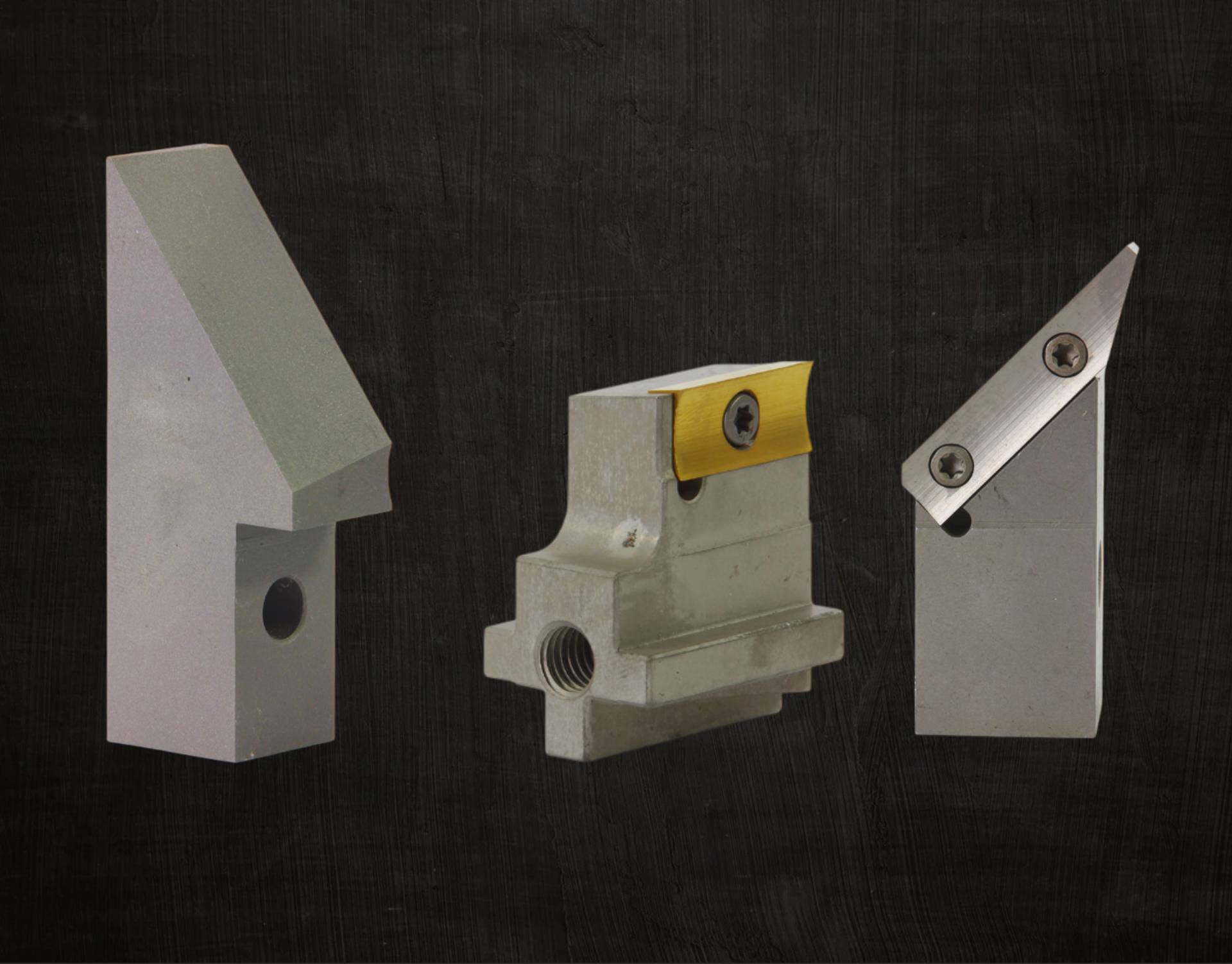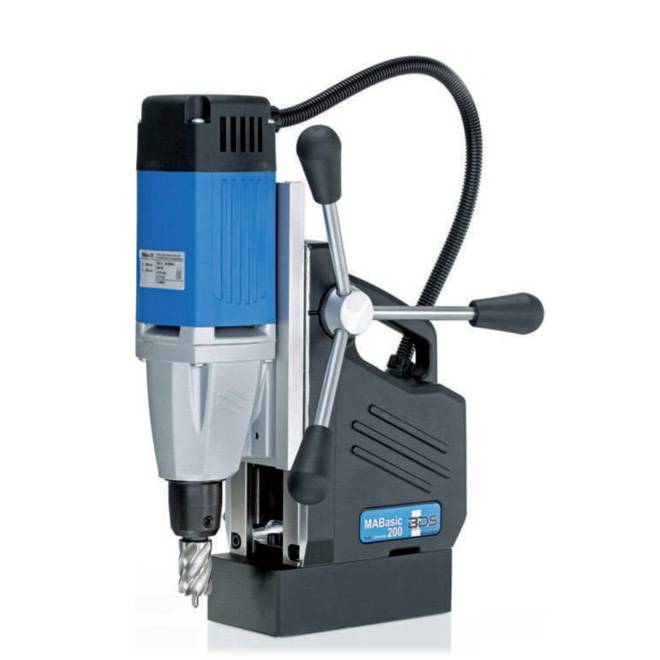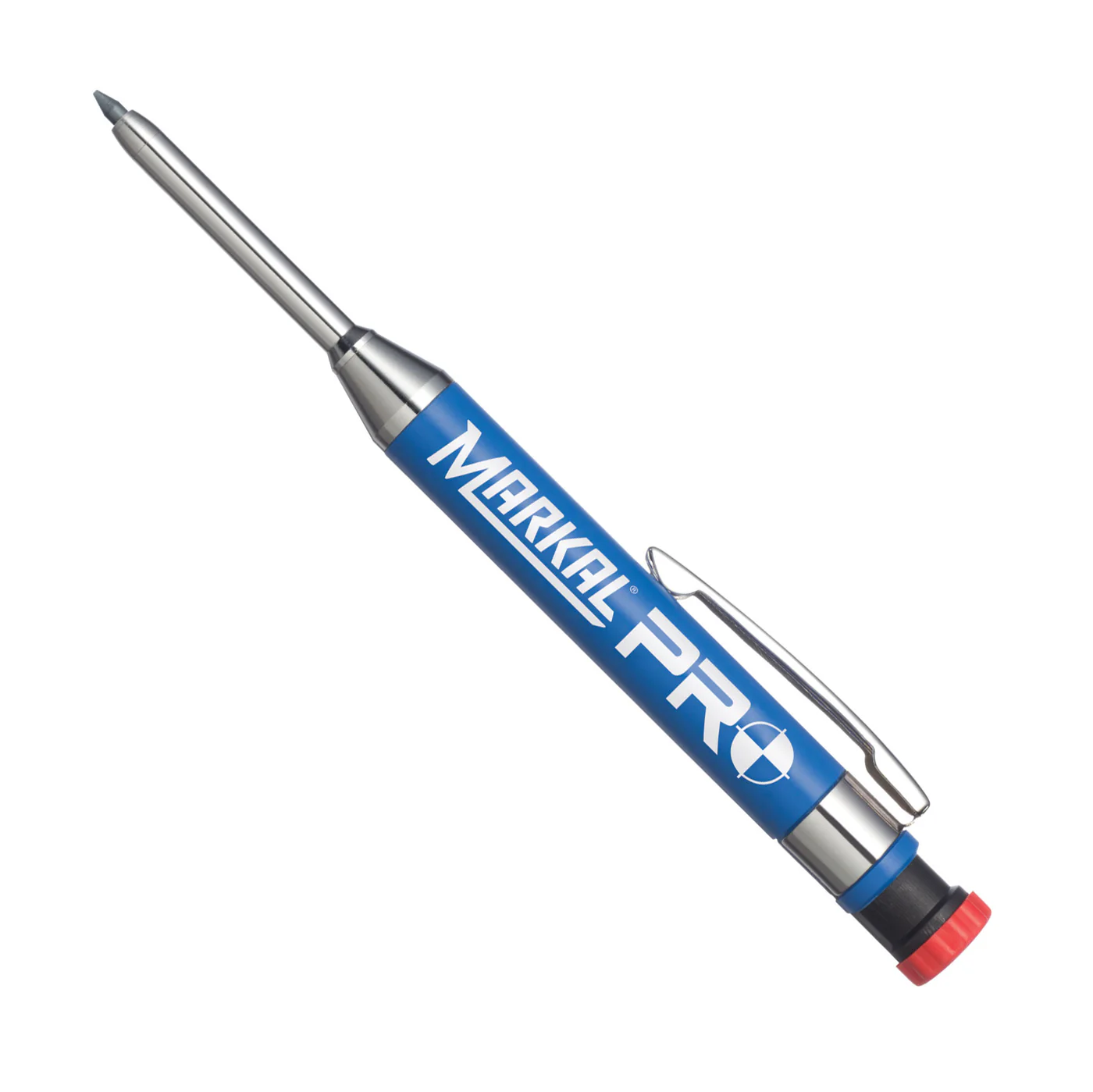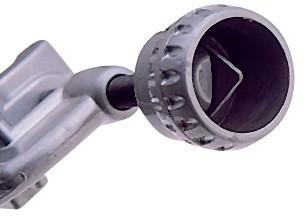
When you choose an annular cutter, a bevelling blade or a pipe cutter wheel, three questions decide in order: which material are you working, what geometry do you need, and what is the thickness? The figures below are the manufacturer's own technical data; these three axes stand behind the four-row classification on the Cutting Tools and Consumables page.
Which class for which material?
Three things determine the choice of cutter: what you are working, what you are doing to that material, and which class the tool belongs to. The four rows below are the catalogue's own division.
| Material | Operation | Tool class |
|---|---|---|
| Carbon steel (S235–S355) | Hole with a magnetic drill · weld bevel on plate | Cobalt HSS annular cutter (BDS KBK / KBL / KEL, M35–M42) · solid HSS bevelling blade |
| Stainless, duplex, Inconel | Hole and weld bevel in a hard-to-machine alloy | TCT carbide annular cutter (BDS HKK / HKL / HKE / HKX-L) · TiCN-coated carbide insert |
| Aluminium and copper alloys | The sticky chip must not clog the flute | Beveltools aluminium series bevelling tip |
| Pipe — steel, stainless, plastic | Chipless cutting; a separate wheel per material | REED cutter wheel: separate stock codes for metal, stainless and plastic |
The classification matches the product families in the catalogue: the BDS HSS and TCT annular cutter series, Beveltools' tip families split by material, and REED's cutter wheels by pipe type. The M35/M42, TiCN and carbide figures come from GBC's own technical publication.
1. Tool material
What the tip is made of determines how long it lasts in a given workpiece. A coating can multiply that several times over.
- Cobalt HSS (M35 / M42) — M35 has 5% cobalt, 65-66 HRC, good toughness. M42 has 8% cobalt, 68-69 HRC and higher wear resistance. HSS keeps its hardness up to 600 °C. The first choice in carbon steel.
- Carbide (widia) insert — 80-95% tungsten carbide with a 5-15% cobalt binder. It protects the cutting edge at very high temperature; a clear advantage in hard-to-machine materials such as stainless, duplex and Inconel.
- TiCN coating — Applied by PVD at 400-500 °C. The manufacturer states that the right coating extends tool life by up to 3-4 times. TiCN is recommended for stainless, carbide for the more demanding alloys.
2. Geometry
Geometry decides how much filler metal the welder will put into the bevel. The wrong angle costs both time and wire.
- V bevel — 30° / 37.5° / 45° — This is the single-face angle; the included angles are 60°, 75° and 90°. The most common three on pipe and plate. Available both as solid HSS and with inserts.
- J bevel — An angle between 5° and 20° followed by a root radius. The manufacturer recommends it above 20 mm thickness: it markedly reduces weld volume compared with a V bevel.
- Compound (double) bevel — Two consecutive angles on the same edge — a main angle of 30° or 37.5° and a secondary angle of 5° or 10°. On very thick sections it keeps full penetration while saving up to 35% of the filler metal.
- Facing and radius — A facing (0°) blade squares the surface; radius heads round the corner. Neither is a weld bevel — both are preparation operations.
3. Thickness and application
Even in the same material, thickness changes the angle and the tool type. Two simple rules solve most of it.
- Thin wall → wide angle — A wider angle is preferred so the filler metal can reach the root of the bevel.
- Thick section → narrow angle — A narrower angle reduces the amount of metal deposited; above 20 mm a J bevel is more economical still.
- Material match — Carbon steel: HSS (M35/M42) or coated carbide. Stainless, duplex, Inconel: TiCN-coated carbide inserts.
- When to change — When the cut section starts to become irregular, or when the same job clearly needs more force. Waiting wears the machine too.
Source
The material and geometry figures above are taken from the manufacturer's own technical publication: gbcspa.com
If you are not sure which one it is
Tell us your machine, the material you are working and the thickness, and we will find the right code. Buying the wrong tip costs more than asking. On the Cutting Tools and Consumables page you can type your machine's name to see the matching items, or work through it step by step with Let's Choose Together.