Excavator Bucket Repair: Save Time and Money With Mobile Boring
In this article we look in depth at the greatest difficulties in the excavator bucket repair process and at the revolutionary solution that removes them — on-site repair with a portable line boring machine.
The Painful Truths of Traditional Repair Methods: Lost Time, Money and Labour
The standard procedure for repairing a worn bucket or boom bore is usually as follows:
- Logistical difficulties: The machine, weighing tonnes, or the dismantled part (bucket, boom and so on) has to be transported to a workshop. That means costly crane and lorry operations.
- Long downtime: The transport alone can take days. Queuing at the workshop, machining and returning the part can take weeks. Every passing day means a machine that is not working.
- High labour costs: Removing the part from the machine, machining it in the workshop and refitting it requires specialist technicians to work for long hours.
- The risk factor: Dismantling and transporting heavy parts always brings workplace safety risks with it.
The Modern Solution: Bring the Workshop to the Site With On-Site Bore Machining (Mobile Boring)
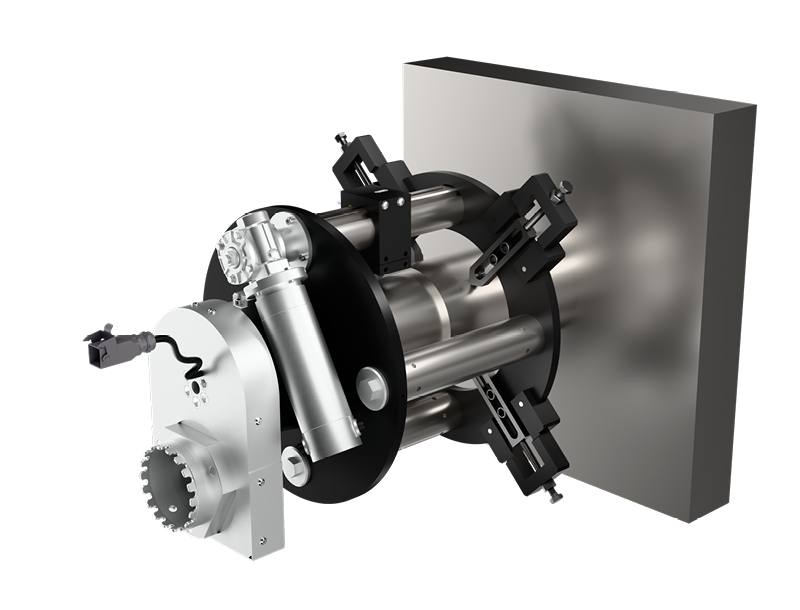
The mobile boring machine is a technology that removes all these problems at once. Compact and powerful, these machines do the work of the huge benches in a workshop, to workshop precision, directly at the site or in the field where the machine is.
Thanks to this method there is no need to dismantle the part or transport the machine. The technician mounts the portable machine on the bore to be repaired and completes the operation within hours. The result: minimum downtime and maximum efficiency.
Bucket Repair on Site, Step by Step: How Does the Process Work?
The on-site repair process is built on precision and efficiency:
- Survey and preparation: The technician establishes the extent of the wear and prepares the machine for repair.
- Centring and clamping: With special centring kits, the portable line boring machine is aligned flawlessly to the original axis of the damaged bore and clamped in place.
- Weld filling: If the wear in the bore is severe, the machine's integrated welding unit fills the bore circumferentially, bringing the metal back to its original level. This gives the part extra durability.
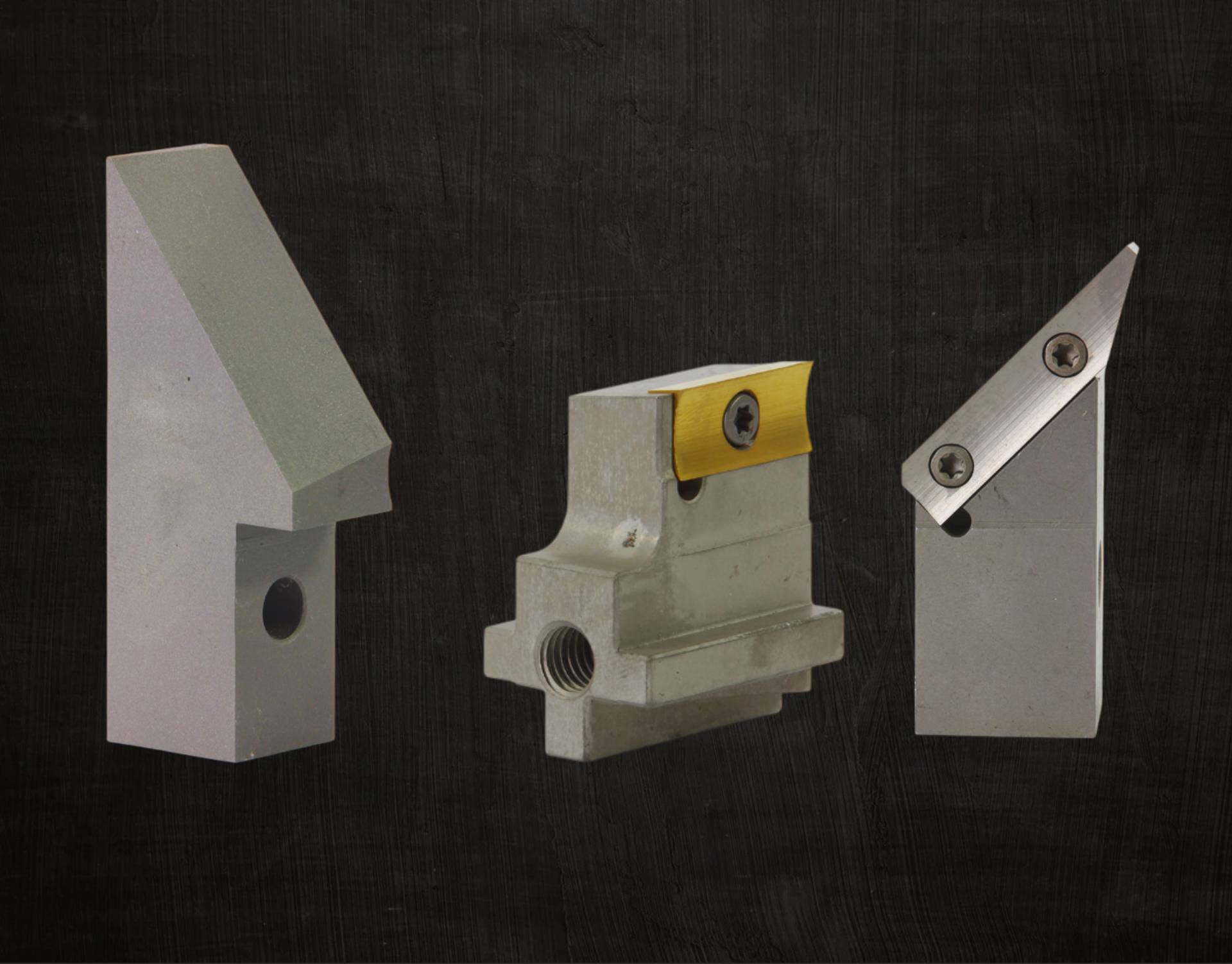
- Precision boring: The bore, whether weld-filled or merely worn, is machined precisely by the machine's cutting tool and brought back to its original diameter and smoothness.
- Inspection and handover: Once the operation is complete the bore dimensions are checked micrometrically and the machine is ready to work again.
A Solution for Every Job: The Elsa Supercombinata Difference
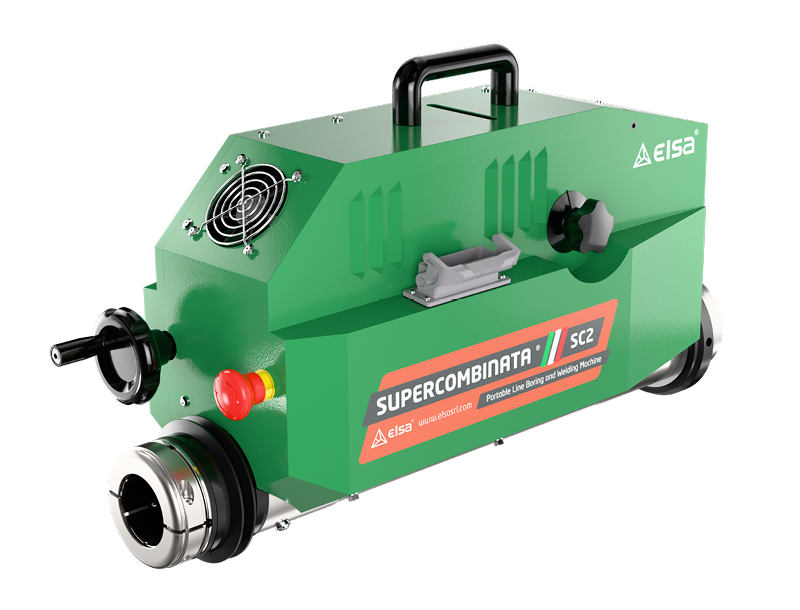
In a repair as critical as this, choosing the right equipment is vitally important. Manufactured with Italian technology, the Elsa Supercombinata series offers proven, reliable and versatile solutions in this field. The Supercombinata SC2, which has become the sector standard stands out in particular for being able to carry out weld filling and boring in a single set-up. Thanks to its wide diameter range it answers the bucket and boom repair needs of almost every excavator.
For repairs in narrower or hard-to-reach spaces, models such as the EASY Compact, the ideal solution for confined spaces provide flexibility without compromising performance. By looking at the whole ELSA Supercombinata series you can find the machine best suited to your project.
Repair Not Only the Bore but the Pins Too!
Remember that when bores wear, the pins working in them are usually damaged too. Elsa's modular design comes into play here as well. With the optional external turning kit you add to your machine, you can also machine the surfaces of worn pins and shafts on site and carry out a complete overhaul. This turns your machine into a portable lathe and increases the quality and life of the repair.
Frequently Asked Questions (FAQ)
1. Is on-site repair as precise as in the workshop?
Yes. Modern portable line boring machines are designed to work to micron-level precision. Used correctly, they achieve the same results as work done in a workshop environment, or even better ones, because the part is not dismantled and its original alignment is not disturbed.
2. How long does the on-site repair of a bucket bore take?
Although it varies with the size of the job and the degree of wear, many standard bucket bore repairs, including set-up and weld filling, can generally be completed in between 2 and 5 hours. That is an incredible advantage compared with the days the traditional method takes.
3. Does weld filling disturb the structure of the material?
No. Automatic welding systems work with controlled heat input and use special welding wires. This does not disturb the structure of the base material; on the contrary, it extends the life of the bore by creating a surface more resistant to wear.