Beveling is a metalworking process that involves the removal of a portion of the edge or surface of a metal object to create a sloping or angled edge. This process is often used to prepare metal surfaces for welding or to improve the appearance and functionality of a metal component. In this article we will explore the various types of beveling and their applications in metalworking.
The most common type of beveling is called a "V-bevel", which involves removing a triangular section of the edge of the metal component. This creates a sloping edge on both sides of the metal, which is ideal for creating a strong, secure weld joint. V-bevels are commonly used in structural and mechanical applications where the welded joint will be subjected to heavy loads and stresses.
Another type of beveling is the "J-bevel", which involves removing a section of the metal component to create a sloping edge on one side only. This type of bevel is often used in automotive and aerospace applications to improve the aerodynamics of a metal component or to reduce weight. J-bevels can also be used to create a chamfer on the edge of a metal component for aesthetic purposes.
A third type of beveling is the "U-bevel", which involves removing a portion of the metal component to create a sloping edge on both sides that forms a U-shape. This type of bevel is often used to prepare metal components for welding in applications where the welded joint will be subjected to heavy loads or high stresses. U-bevels can also be used to create a channel or groove in the metal component for holding gaskets or other sealing materials.
In addition to these common types of beveling, there are several other specialised beveling processes used in metalworking. For example, "compound beveling" involves a bevel that includes both a V-bevel and a J-bevel, which is useful for creating a strong, secure weld joint that is also aesthetically pleasing. "K-beveling" is another specialised process that involves removing a section of the metal component to create a bevel with a specific angle, which is often used in precision metalworking applications.
In conclusion, beveling is an important metalworking process used to prepare metal components for welding or to improve their appearance and functionality. There are several different types of beveling, each with its own applications and benefits, and the process can be accomplished using a variety of different tools and techniques.
Whether you are a professional metalworker or a DIY enthusiast, understanding the basics of beveling can help you create strong, secure and aesthetically pleasing metal components for a wide range of applications.
—English—
Beveling is a metalworking process that involves the removal of a portion of the edge or surface of a metal object to create a sloping or angled edge. This process is often used to prepare metal surfaces for welding or to improve the appearance and functionality of a metal component. In this article, we'll explore the various types of beveling and their applications in metalworking.
The most common type of beveling is called a "V-bevel," which involves removing a triangular section of the edge of the metal component. This creates a sloping edge on both sides of the metal, which is ideal for creating a strong, secure weld joint. V-bevels are commonly used in structural and mechanical applications where the welded joint will be subjected to heavy loads and stresses.
Another type of beveling is the "J-bevel," which involves removing a section of the metal component to create a sloping edge on one side only. This type of bevel is often used in automotive and aerospace applications to improve the aerodynamics of a metal component or to reduce weight. J-bevels can also be used to create a chamfer on the edge of a metal component for aesthetic purposes.
A third type of beveling is the "U-bevel," which involves removing a portion of the metal component to create a sloping edge on both sides that forms a U-shape. This type of bevel is often used to prepare metal components for welding in applications where the welded joint will be subjected to heavy loads or high stresses. U-bevels can also be used to create a channel or groove in the metal component for holding gaskets or other sealing materials.
In addition to these common types of beveling, there are several other specialized beveling processes that are used in metalworking. For example, "compound beveling" involves creating a bevel that includes both a V-bevel and a J-bevel, which is useful for creating a strong, secure weld joint that is also aesthetically pleasing. "K-beveling" is another specialized process that involves removing a section of the metal component to create a bevel with a specific angle, which is often used in precision metalworking applications.
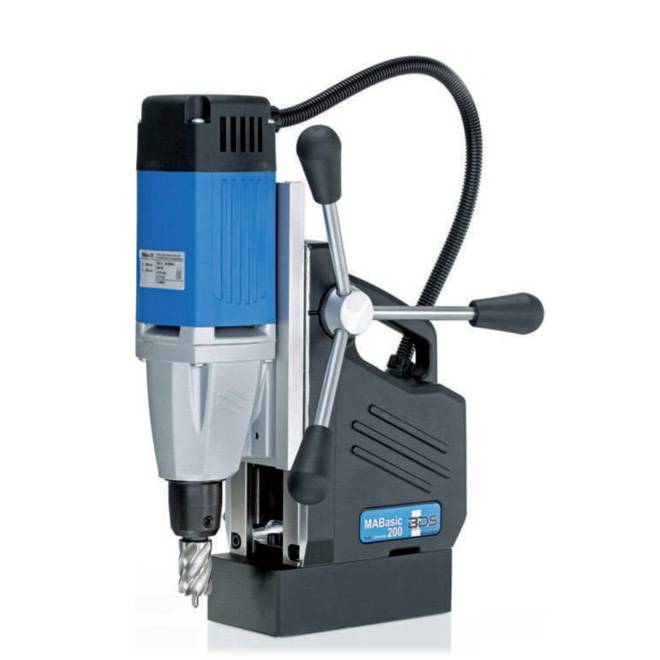
Beveling can be accomplished using a variety of different tools and techniques, depending on the specific application and the type of bevel required. Common tools used for beveling include angle grinders, hand-held beveling machines, and milling machines. In addition, specialized machines known as "beveling machines" are often used for high-volume or precision beveling applications.
In conclusion, beveling is an important metalworking process that is used to prepare metal components for welding or to improve their appearance and functionality. There are several different types of beveling, each with its own applications and benefits, and the process can be accomplished using a variety of different tools and techniques. Whether you're a professional metalworker or a DIY enthusiast, understanding the basics of beveling can help you create strong, secure, and aesthetically pleasing metal components for a wide range of applications.