In the metal working and manufacturing sector, one of the most fundamental tools used to shape material, smooth surfaces, cut grooves or make holes is the **milling machine**. Also known as a **milling bed**, it gives the required form by removing chips from the material with a rotating cutter (milling cutter). Milling machines play an indispensable role in obtaining precise, complex surfaces.
Why Does Milling Matter So Much?
Milling is not just a cutting operation; it is the art of giving a surface the required form. The advantages of professional milling are:
- High precision: Working to precise tolerances of even a tiny fraction of a millimetre, milling machines let you obtain perfect surfaces and dimensions.
- Versatility: A single milling machine can carry out many different operations such as surfacing, groove cutting, drilling, thread cutting and profiling.
- A safe, efficient solution: Portable milling machines in particular offer a fast, safe solution for on-site repair and maintenance, with no need to transport the material to a workshop.
- Quality surface finish: An even, smooth surface prepares an ideal basis for the operations that follow (welding, painting and so on) and increases the overall quality of the product.
Types of Milling Machine: Choosing According to Your Need
Milling machines are divided into many different types according to their field of use, their size and their level of automation. The types of machine within Habib Makina's field of expertise, and those industry professionals look for in particular, are:
Portable milling machines
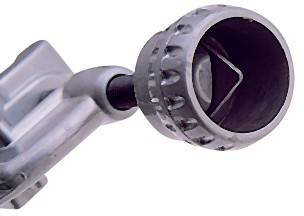
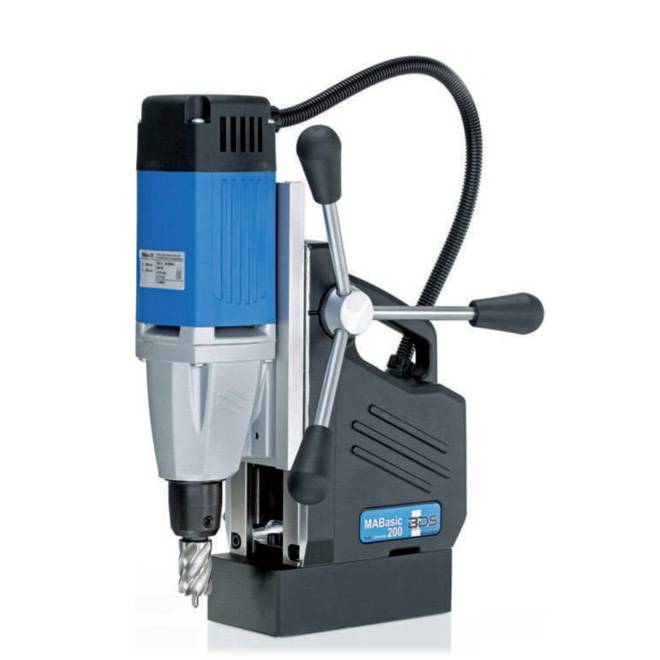
Designed for milling large parts that cannot be moved. These machines are a lifesaver on projects requiring on-site repair and manufacturing, such as shipbuilding, power plants and steel construction. Flange faces, pipe edges or large plate surfaces can be machined easily and precisely with these portable machines.
CNC milling machines (advanced automation)
These machines work with computer-controlled (CNC) systems and make series production of parts with complex geometries possible. Their precision and speed are unmatched. If you produce parts in high volumes to the same quality, CNC milling machines will be the right choice for you.
Vertical and horizontal milling machines
They take these names from the position of the machine's spindle. Vertical mills are used mostly for work such as drilling and groove cutting, while horizontal mills are preferred for milling wider surfaces and for manufacturing gears.
Habib Makina: Your Reliable Partner in Milling Solutions
Buying a milling machine is not merely investing in a machine; it is also investing in the future of your project. Choosing the right product and working with a reliable partner therefore matters greatly. With years of experience, **Habib Makina** offers the best solutions for your needs in this field.
The advantages you gain when you work with us:
- Project-based consultancy: You get support from our expert team on which milling machine best suits your project.
- Original products and spare parts: Access to original products from reliable brands and long-lasting spare parts.
- A reliable service network: We are always beside you with our after-sales support and technical service.
Frequently Asked Questions (FAQ)
What do milling machine prices depend on?
Milling machine prices vary greatly according to the type of machine (CNC, manual, portable), its size, power, spindle speed and additional features. For the most accurate price information it is recommended that you establish the requirements of your project and request a quotation from Habib Makina.
What is the difference between milling and turning?
The basic difference lies in the movement of the cutter and the material. In **milling**, the material stays fixed or moves while a rotating cutter removes chips. In **turning**, the material rotates while a fixed cutter removes chips from it. Milling is generally used for flat or complex surfaces, turning for cylindrical parts.
How is the right milling cutter chosen?
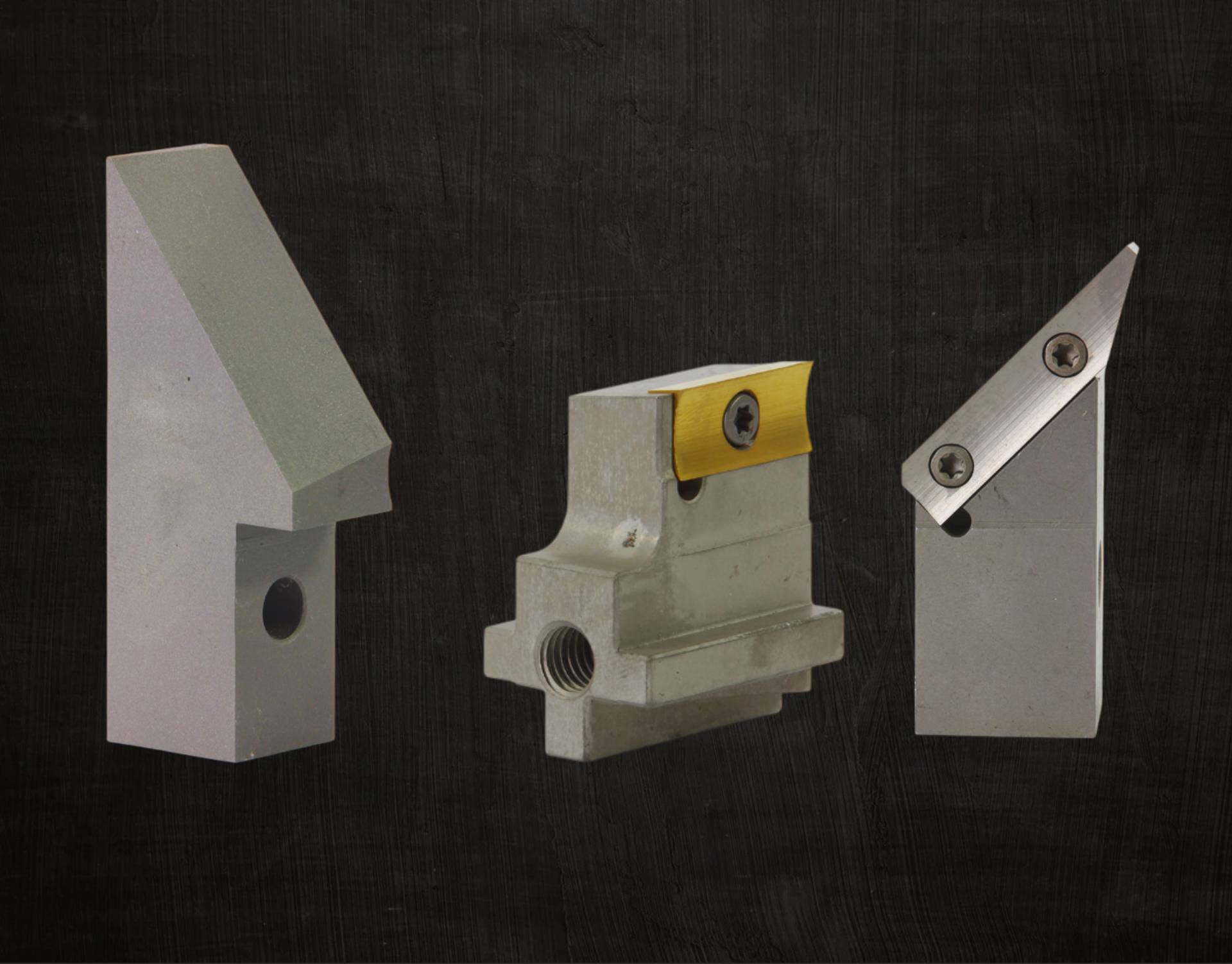
The choice of milling cutter depends on the type of material to be worked (steel, aluminium and so on), the operation to be carried out (surfacing, groove cutting) and the speed of the machine. There are different cutter types such as HSS, carbide and diamond-coated.
Which materials can be worked with a milling machine?
With the right cutters and parameters, milling machines can work many different materials such as steel, stainless steel, aluminium, titanium, copper, brass and even some types of plastic.
What should I look out for when using a milling machine?
The most important matter is workplace safety. It is necessary to use personal protective equipment such as protective eyewear and gloves, to protect the machine from overload, to make sure the cutters are sharp and always to keep the work area clean.
In conclusion, milling machines are one of the cornerstones of modern manufacturing. Providing high precision, versatility and efficiency, these machines increase the quality of every kind of industrial project. Whatever the size of your project, you can trust **Habib Makina**'s expertise for the right milling solutions and ensure your projects succeed.