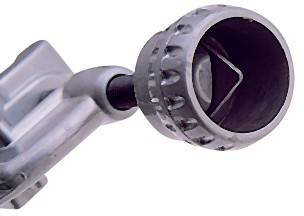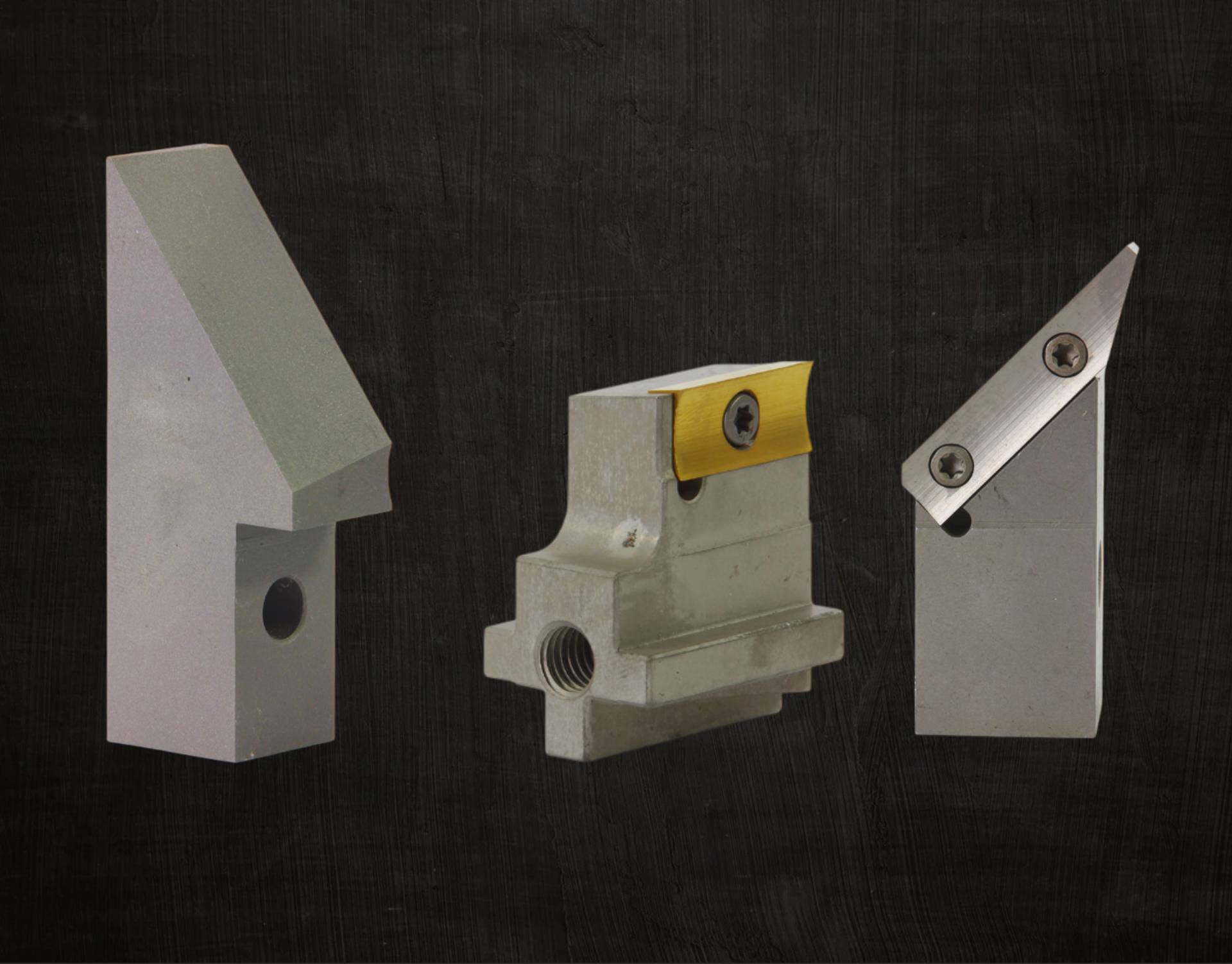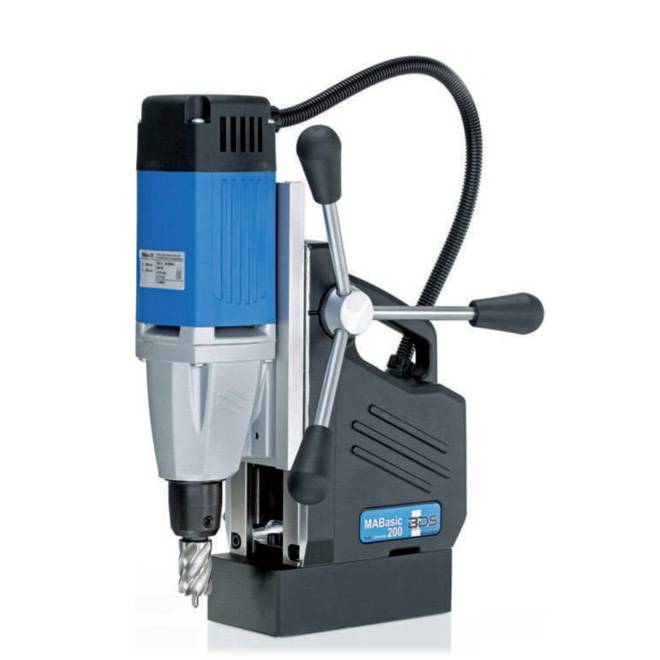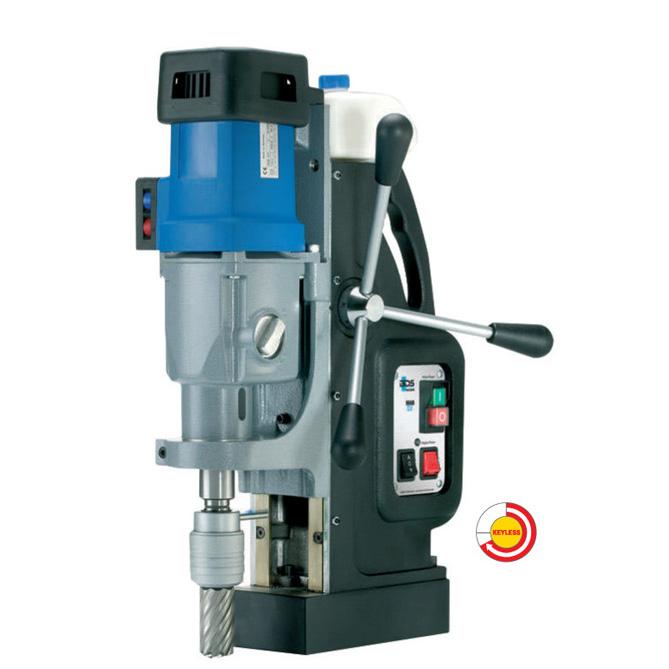
An industrial machine is not just a tool; it is a strategic investment that directly affects the future, efficiency and profitability of your business. When buying a magnetic drill, a bevelling machine or a pipe bending machine, making the right decision not only meets your needs today but also gives you a competitive advantage over the long term. With so many options available, however, how should you choose the right machine and how should you calculate the return on that investment (ROI)?
A Step-by-Step Guide to Choosing a Machine
Step 1: Needs analysis and field of application
Everything starts with the question, "What exactly am I going to use this machine for?" You should establish your needs clearly, including not only today but also your potential future projects.
- Field of application: Will your work be done on site, or in a workshop? If you need mobile solutions, a portable **magnetic drill** or **bevelling machine** will be the right choice.
- Material and capacity: What materials will you work on? Pipe, plate, profile? The thickness of the materials and the diameter of the pipes determine the capacity of the machines. When buying a **magnetic drill**, for example, drilling diameter and depth are the most critical technical characteristics.
- Repeatability: Will you be doing series production, or one-off projects? If you need to produce thousands of identical parts, a CNC-controlled machine may be more efficient. For one-off projects, however, manual machines are more flexible.
Step 2: Technical characteristics and comparison
Once you have established your needs, you should compare the technical characteristics of the different brands on the market. Characteristics such as the machine's motor power, speed, weight, dimensions and ergonomics directly affect its performance and ease of use. Brands proven worldwide, such as BDS and GBC, are reliable reference points in this field.
Machine Investment Analysis: How Is ROI Calculated?
The cost of a machine is not just its purchase price. For a sound investment analysis you should take all costs and benefits into account.
- Direct costs:
- Purchase price: The machine itself.
- Operating expenses: Electricity consumption, cutting insert and consumable costs.
- Maintenance and repair expenses: Periodic maintenance and the cost of possible breakdown repairs.
- Expected benefits (returns):
- Time saved: The labour hours gained with the new machine compared with manual processes.
- Increased efficiency: Increased production speed and volume.
- Quality improvement: Less scrap and a smaller margin of error.
- Safety advantages: A reduced risk of accidents at work.
The return on investment (ROI), or payback period, shows how long it takes for these benefits to cover the total costs. For example, a machine that cuts 20 minutes off a manual operation every hour delivers a large saving in monthly labour cost and shortens the payback period noticeably.
Step 3: After-sales support and assurance
Even the most advanced machine can leave you stranded when it breaks down or needs maintenance. For that reason, **after-sales service** and **warranty** are at least as important as the machine itself when choosing a machine.
Frequently Asked Questions (FAQ)
Does it make sense to buy a second-hand machine?
Second-hand machines may be more affordable, but they also bring risks such as potential breakdowns, warranty issues and loss of performance. A new machine offers the advantages of warranty, reliability and up-to-date technology.
How do I include a machine's downtime in the investment analysis?
Downtime can be calculated from your hourly labour cost and your lost production. A reliable machine with a warranty minimises downtime and so lowers these costs considerably.
How should I assess the human factor in the ROI calculation?
Using a new machine can be less tiring and safer for the operator. That provides an indirect benefit by increasing employee efficiency, motivation and commitment. These factors should also be taken into account in the investment analysis.
In conclusion, choosing an industrial machine is a strategic decision that requires careful needs analysis, comparison of technical characteristics and a comprehensive investment analysis. Working with a partner you can trust in this process guarantees that you find the right machine and that your investment succeeds. **Habib Makina** is always beside you as your most reliable guide in this process.