In recent years the concepts of **Industry 4.0** and **automation** have occupied the agenda of the manufacturing and heavy industry sector intensively. Computer-controlled (CNC) machines, robotic arms and smart production systems are changing production processes fundamentally. This technological transformation raises a question in the minds of many business owners: "Should I invest in manual and semi-automatic machines, or move to full automation?"
What Are Automation and CNC? Their Main Advantages
**CNC (Computer Numerical Control)** is a production method in which a machine's movements are controlled by computer software. This system minimises human error in operations such as milling, turning, pipe bending and drilling.
The greatest advantages of automation and CNC are:
- Unmatched precision and repeatability: Working to a thousandth of a millimetre, CNC machines can produce thousands of parts to the same quality and the same dimension.
- High speed and efficiency: Able to run 24 hours without interruption, these machines multiply production speed and volume.
- Complex geometries: Complex designs that are difficult or impossible to achieve with manual methods can be produced easily with CNC.
- Increased workplace safety: By keeping the operator away from dangerous work areas, it reduces accidents to a minimum.
So Where Do Manual and Semi-Automatic Machines Fit In?
The rise of automation does not mean manual and semi-automatic machines have been cast aside. On the contrary, these machines have a strategic and indispensable role in modern industry. Manual machines are the right choice in the following situations in particular:
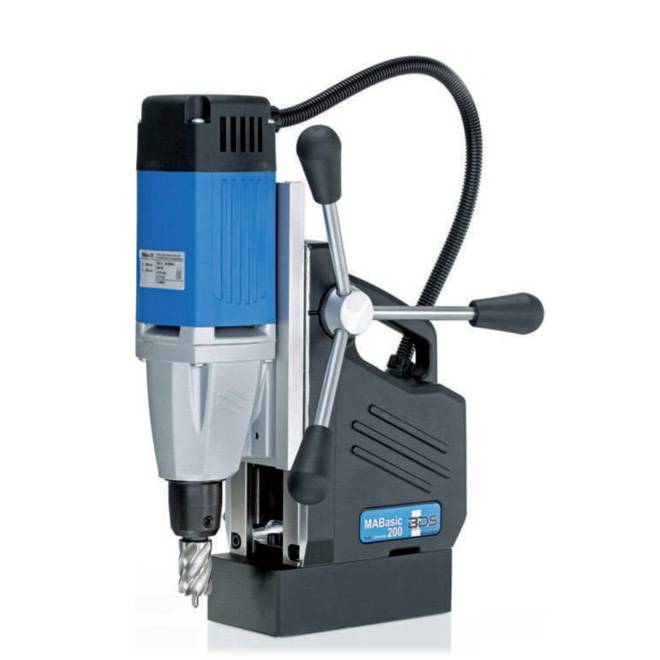
- On-site applications: A breakdown in shipbuilding, in the construction of large bridges or at a power plant would require large components to be transported to a workshop. With **BDS magnetic drills** or **portable milling machines**, however, this work can be done on site, quickly and safely.
- One-off production and projects: In prototype or bespoke manufacturing projects where there is no series production and each part is different, the high cost of investing in CNC may be unnecessary. In that case manual machines are more flexible and more economical.
- Budget and scale of business: For small and medium-sized businesses, it is more sensible to start with more affordable but high-performing manual or semi-automatic machines rather than high-cost CNC machines.
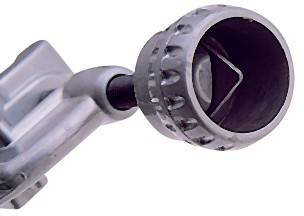
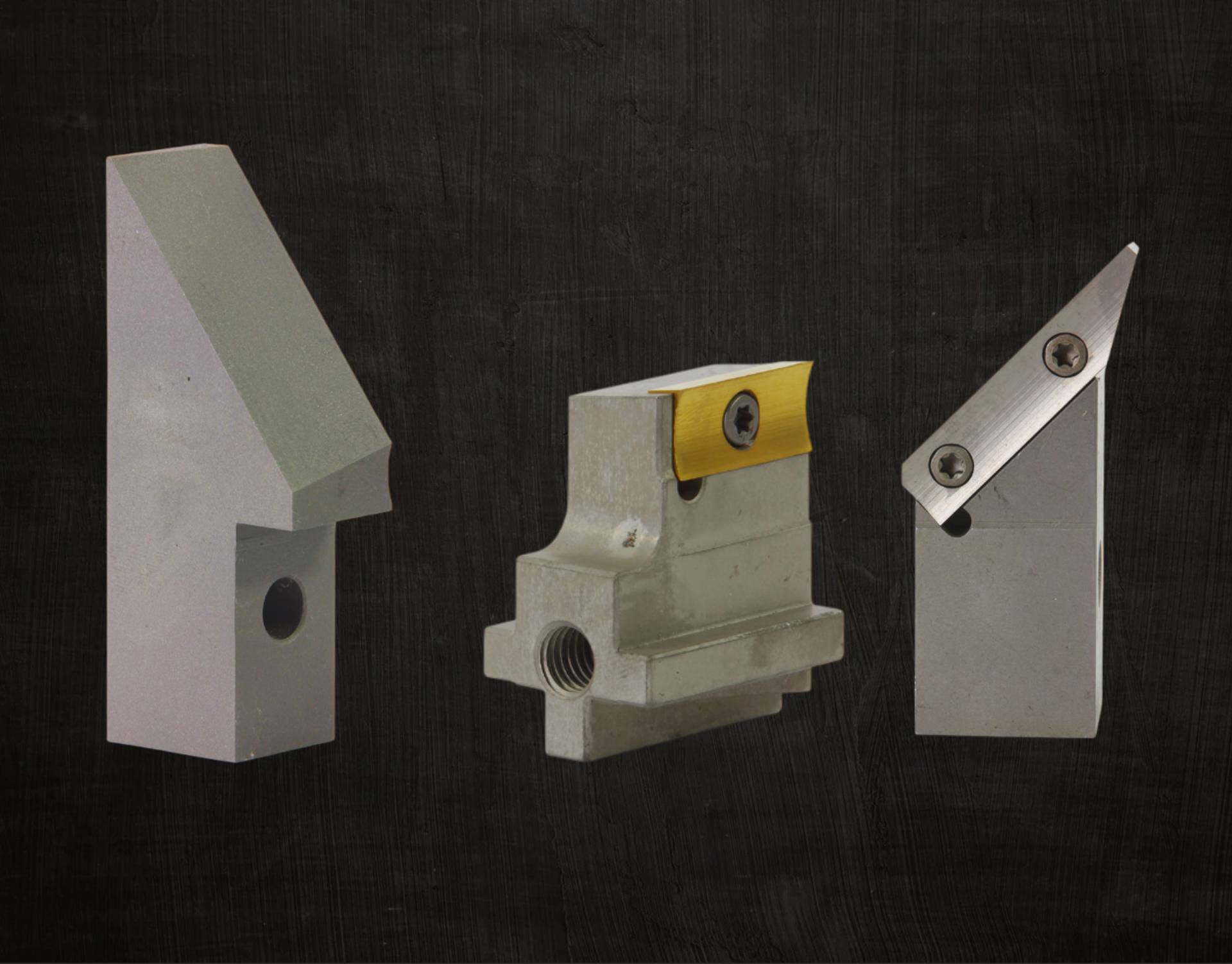
Habib Makina's product range answers this need perfectly. Products such as BDS magnetic drills, GBC bevelling machines and pipe cutting machines deliver precision and efficiency on site and at low cost. These machines increase efficiency either working integrated with CNC machines or independently.
Habib Makina: Your Reliable Guide to the Right Solution
Exciting as the opportunities offered by CNC and automation are, every business has different needs. The right investment for you is the solution that suits the type of your project, your budget and your long-term goals. This is exactly where **Habib Makina** comes in.
Frequently Asked Questions (FAQ)
Is CNC always better than manual machines?
No. CNC machines are superior for series production and work requiring high precision. However, for on-site repair, one-off production or where there are budget constraints, manual and semi-automatic machines offer more flexible, economical and practical solutions.
What does it cost to invest in CNC machines?
The initial cost of CNC machines is far higher than that of manual machines, depending on size, power and features. The cost of special software, training and maintenance for these machines must also be taken into account.
Can a manual machine be part of automation?
Absolutely. Industry 4.0 does not mean every machine has to be smart. Manual machines fill a critical gap in operations where automation does not exist or is not practical, and can be an efficient part of a larger production chain.
In conclusion, success in modern production comes not only from having the latest technology but also from using the right technology in the right place. Whether you move to full automation or invest in strong, reliable manual machines, the most important step is analysing your needs correctly. In that process, **Habib Makina**'s experience will help you find the most appropriate and efficient solution for you.