What is pipe bevelling? What sets the latest cold bevelling technology apart from other processes, and what are its benefits?
Pipe bevelling is a metalworking process that involves the removal of a portion of the edge of a steel pipe to create a sloping or angled edge. This process is used to prepare pipes for welding, as it allows for the creation of a strong, secure weld joint. In this article we will explore the different ways of bevelling a steel pipe and focus on the advantages of cold bevelling using Italian machines.
There are several ways to bevel a steel pipe, including grinding, flame cutting and cold bevelling. Grinding involves the use of an angle grinder or another grinding tool to remove the edge of the pipe and create a bevelled edge. Flame cutting involves the use of a torch to heat the edge of the pipe and then cut away the excess metal to create a bevelled edge. Cold bevelling, on the other hand, involves the use of a machine to remove the edge of the pipe without generating heat.
There are several advantages to cold bevelling using Italian machines. First and foremost, cold bevelling is a safer and more environmentally friendly process than grinding or flame cutting. Grinding can generate sparks and debris, which can be a fire hazard, while flame cutting generates smoke and fumes, which can be harmful to the environment and to workers' health. Cold bevelling, by contrast, generates no sparks, smoke or fumes, and the machines used for this process are designed to be safe and easy to use.
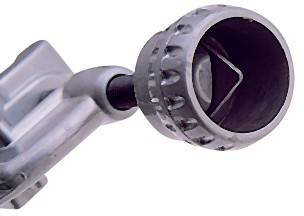
Another advantage of cold bevelling using Italian machines is that it produces a clean, precise bevelled edge. Grinding can result in an uneven or jagged edge, while flame cutting can produce a rough or irregular edge. Cold bevelling, on the other hand, uses a precision high-speed milling head to remove the edge of the pipe in a clean, controlled manner, resulting in a smooth, uniform bevel that is ideal for welding.
In addition, cold bevelling on Italian machines is a fast and efficient process. The machines used for this process are designed to be easy to set up and operate, and they can be used to bevel pipes of various sizes and thicknesses quickly and accurately. This makes cold bevelling a cost-effective solution for high-volume pipe bevelling applications.
Finally, cold bevelling using Italian machines is a versatile process that can be used on a wide range of pipe materials, including carbon steel, stainless steel and other alloys. This makes it ideal for a variety of applications, from construction and infrastructure projects to industrial manufacturing and fabrication.
In conclusion, cold bevelling using Italian machines is the safest, most precise, most efficient and most versatile process for bevelling steel pipes. Compared with other bevelling methods such as grinding or flame cutting, cold bevelling offers several advantages, including improved safety, environmental friendliness, precision, speed and versatility. If you need a fast, reliable and cost-effective solution for pipe bevelling/chamfering, you can choose cold bevelling with Italian machines.
Some frequently asked questions and their answers:
What is pipe bevelling? How is a pipe bevelled?
A pipe bevel is the angle formed between the end and the edge of a pipe. When a pipe end is formed at a specific angle, it is called a bevelled end. Pipe bevelling is the most important step in preparing a pipe joint for welding. The quality of the bevelled pipe directly affects the quality of the weld. Besides welding, a pipe may also be bevelled to deburr cut pipe ends for aesthetic and safety reasons.
Bevelling and chamfering: what is the difference?
Pipe chamfering is technically a type of pipe bevelling. Both terms refer to the edge between two faces of a pipe. The main difference between the two terms, however, is that a chamfer is an edge joining the two faces at an angle of 45 degrees, whereas a bevel can be at any angle other than 45 or 90 degrees.
How is a pipe bevelled?
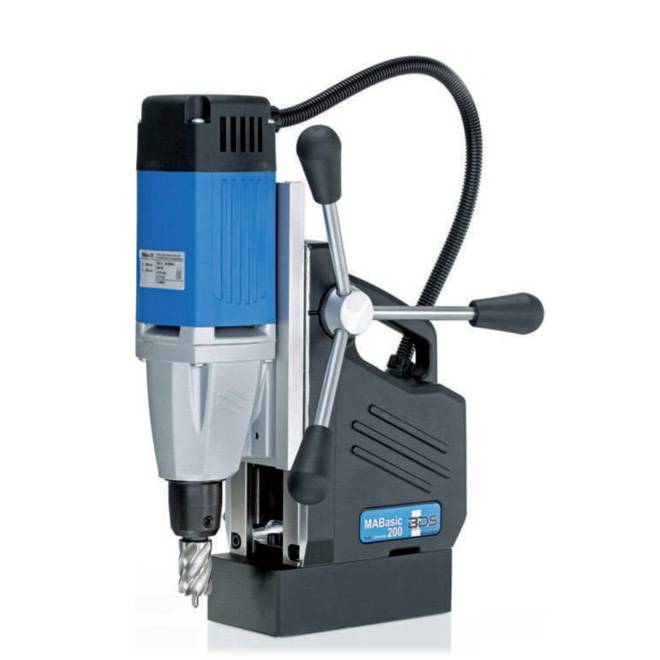
There are several ways to bevel a pipe: using portable or stationary bevelling machines, a hand grinder, or a plasma or torch cutter.
How do you choose the right bevelling method?
Several factors need to be considered before choosing the right method for a pipe bevel. The following questions will make that decision easier for you:
* Is it possible to bring the tube or pipe to the machine?
* Is portability / mobility of the machine a requirement?
* What are the characteristics and the required quality of the bevel?
* How much time is available per pipe or per bevel?
* What is the level of the machine operator?
Safety always comes first. Whatever the requirements, assessing all potential safety hazards on site is the first step in deciding on the right method.
—English—
Pipe beveling is a metalworking process that involves the removal of a portion of the edge of a steel pipe to create a sloping or angled edge. This process is used to prepare pipes for welding, as it allows for the creation of a strong, secure weld joint. In this article, we will explore different ways of beveling a steel pipe and focus on the advantages of cold beveling using Italian machines.
There are several ways to bevel a steel pipe, including grinding, flame cutting, and cold beveling. Grinding involves the use of an angle grinder or other grinding tool to remove the edge of the pipe and create a beveled edge. Flame cutting involves the use of a torch to heat the edge of the pipe and then cut away the excess metal to create a beveled edge. Cold beveling, on the other hand, involves the use of a machine to remove the edge of the pipe without generating heat.
There are several advantages to cold beveling using Italian machines. First and foremost, cold beveling is a safer and more environmentally friendly process than grinding or flame cutting. Grinding can generate sparks and debris, which can be a fire hazard, while flame cutting generates smoke and fumes, which can be harmful to the environment and to workers' health. Cold beveling, by contrast, does not generate sparks, smoke, or fumes, and the machines used for this process are designed to be safe and easy to use.
Another advantage of cold beveling using Italian machines is that it produces a clean, precise beveled edge. Grinding can result in an uneven or jagged edge, while flame cutting can produce a rough or irregular edge. Cold beveling, on the other hand, uses precision cutting tools to remove the edge of the pipe in a clean, controlled manner, resulting in a smooth, uniform bevel that is ideal for welding.
In addition, cold beveling using Italian machines is a fast and efficient process. The machines used for this process are designed to be easy to set up and operate, and they can be used to bevel pipes of various sizes and thicknesses quickly and accurately. This makes cold beveling a cost-effective solution for high-volume pipe beveling applications.
Finally, cold beveling using Italian machines is a versatile process that can be used on a wide range of pipe materials, including carbon steel, stainless steel, and other alloys. This makes it ideal for a variety of applications, from construction and infrastructure projects to industrial manufacturing and fabrication.
In conclusion, cold beveling using Italian machines is a safe, precise, efficient, and versatile process for beveling steel pipes. Compared to other beveling methods, such as grinding or flame cutting, cold beveling offers several advantages, including improved safety, environmental friendliness, precision, speed, and versatility. If you are in need of a fast, reliable, and cost-effective solution for pipe beveling, consider using cold beveling with Italian machines.