What Determines Pipe Bevelling Machine Prices? Manage Your Budget Correctly (2025)
On critical projects such as high-pressure pipelines, boiler manufacturing or industrial pipework, weld quality is everything. And you know that the foundation of a perfect weld is a flawlessly prepared weld bevel — a correctly cut chamfer. At this point you have decided to invest in a pipe bevelling machine (chamfering machine) for your project. Your first and most natural question is: "What does this machine cost?"
Pipe bevelling machine prices range widely enough to confuse you when you search quickly online or in catalogues. So why is one machine priced at X while another that looks almost identical is priced at 3X? The answer lies far deeper than the machine's visible surface.
This guide is written so that you understand not just the price tags but the value behind them. We set out with full transparency what determines the price of a chamfering machine, how a "cheap" machine can cost you more, and how a professional solution such as a GBC bevelling machine turns into a profitable investment for your project. Our aim is to help you manage your budget in the best possible way and choose the machine that will give you the highest value.
Why Does Price Alone Mean Nothing? The Hidden Costs of a "Cheap" Machine
The biggest mistake made when buying industrial equipment is deciding on the initial purchase cost alone. A low-priced chamfering machine may look attractive at the outset, but the hidden costs that emerge once operations begin can quickly turn that "saving" into a nightmare:
- Faulty bevels and the cost of weld repair: A poor-quality machine cuts bevels at inconsistent angles or with rough surfaces. That leads the welder to try to correct the fault by adding filler, spending more time and more consumables. Worse still, these faulty welds may fail testing and have to be cut out and redone, which is one of the biggest cost items on a project.
- Low efficiency and lost labour: A machine that works slowly, needs constant adjustment or jams frequently wastes valuable operator hours. If an inefficient machine takes 30 minutes over a bevel a professional machine does in 10, that 20 minutes of labour cost comes out of your pocket again and again.
- Frequent breakdowns and project delays: Machines with low-quality gears, motors and bearings inevitably break down often in heavy industrial conditions. A project standing still in the middle of a site and days waiting for repair can be worth many times the price of the machine.
- Operator safety risks: Machines with inadequate clamping mechanisms or that vibrate excessively during work are an invitation to accidents. No cost is worth more than a worker's health.
The 7 Main Factors That Determine the Price of a Pipe Bevelling Machine
So what concrete elements make up a machine's price tag? Here are the 7 basic factors that create the price difference:
1. Machine type and working principle
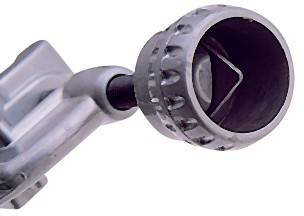
Chamfering machines divide fundamentally into two: internally clamping (ID mount) and externally clamping (OD mount). Internally clamping models enter the pipe and secure themselves, and are generally more common. Externally clamping (orbital) models wrap around the pipe from the outside and are generally machines that cut and bevel the pipeline at the same time. The machine's design and the complexity of its mechanism directly affect the price.
2. Motor type and power (electric, pneumatic, hydraulic)
Each motor type has its own advantage and its own cost.
- Electric: The most common and versatile type. Powerful, reliable motors (German or Italian manufacture in particular) increase the machine's cost.
- Pneumatic: Generally mandatory in flammable/explosive environments where there is a risk of sparks. They require a strong compressor infrastructure.
- Hydraulic: Special-purpose motors offering the highest torque and power, generally used underwater or in very demanding industrial conditions, and carrying the highest price tag.
3. Working range (pipe diameter and wall thickness capacity)
This is one of the clearest effects on price. The body structure, gear system and motor power of a machine that works only on pipes up to 2 inches are completely different from those of one that can bevel huge 24-inch pipes. As the working range widens and the machine's capacity to handle thick-walled pipe increases, the price rises logarithmically.
4. Material quality and brand value
What is inside a machine is at least as important as what it looks like outside. Italian and other European manufacturers such as GBC use precisely machined gears made from hardened steel, high-quality bearings and durable body materials. Lower-priced alternatives of Far Eastern origin generally use softer metals and parts to looser tolerances. That difference shows itself in the machine's life, its precision and how often it breaks down.
5. Blade and insert technology (tool quality)
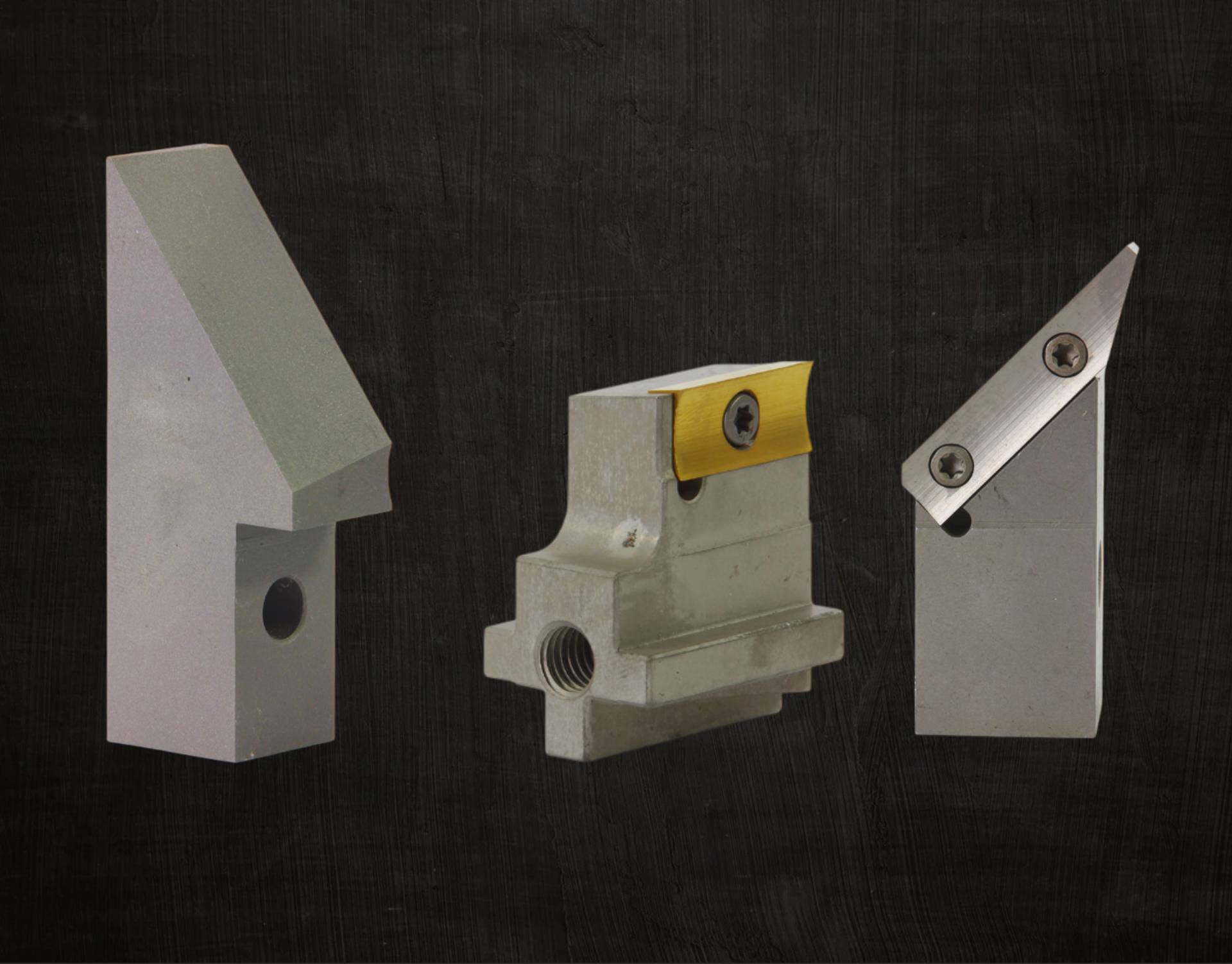
What actually cuts the bevel are the cutting inserts fitted to the machine. High-quality coated carbide inserts are more expensive to buy but keep their edge far longer, leave a smoother surface and last longer. That lowers the "cost per bevel". A quality machine is generally designed to give its best performance with these quality tools.
6. Automation and extra features
Machines with automatic rather than manual feed, CNC control, the ability to cut special bevel angles (such as a J bevel) or offering additional operations such as facing are naturally higher priced. For plants doing high-volume, repeatable production these features multiply efficiency and justify the investment.
7. After-sales services and warranty
One of the most important elements included in a strong brand's price is after-sales support. An easily reachable service network, ample spare parts stock, technical consultancy and a long warranty period are part of your machine's price and an insurance policy protecting your investment.
Price Ranges and Expectations: What Do You Find in Which Segment?
We can divide the market broadly into three segments:
Entry level: Machines in this segment generally have a narrower working range and more basic features. They can be a starting point for light-duty work or small workshops that rarely need to chamfer. Their reliability in heavy industrial conditions, however, is questionable.
Professional segment: This is the segment dominated by brands such as GBC. The machines are built to withstand daily, heavy-duty use. They offer a wide working range, reliable motors, high-quality components and strong service support. This is the segment with the highest price/performance ratio.
Industrial / highly automated systems: These are special solutions, generally integrated into fabrication lines, CNC controlled, fully automatic and very high priced.
GBC Chamfering Machines: An Investment That More Than Repays Its Price
GBC sits at the top of the professional segment and justifies the price it asks with concrete value:
- A "right bevel first time" guarantee: GBC's precise, rigid construction gives perfect chamfering results every time. That removes the costs of weld repair and wasted material and saves money directly.
- Low operating expense: Thanks to its heavy-duty construction it breaks down less and needs less maintenance. Optimised insert technology extends tool life and reduces your consumable costs.
- High efficiency: Thanks to their powerful motors and user-friendly designs, GBC machines let you finish jobs faster. That means shorter project times and more profit.
- The assurance of your investment: When you buy a GBC machine you buy not only a product but also strong service and spare parts support in Turkey. That is the guarantee that your machine will run at peak performance for years.
How Is the Return on Investment (ROI) Calculated?
Let us see with a simple example how a GBC machine pays for itself:
Suppose cutting a bevel by traditional methods (grinding, for example) takes an average of 30 minutes and a GBC machine does the same job in 10 minutes. Let the operator's hourly cost (including wages, insurance and so on) be 600 TL.
| Cost item | Chamfering by grinding | Chamfering with a GBC machine |
|---|---|---|
| Labour time (per bevel) | 30 minutes | 10 minutes |
| Labour cost (per bevel) | 300 TL | 100 TL |
| Saving per bevel | 200 TL | |
On this simple calculation the machine saves 200 TL per bevel on labour alone. If the machine costs 200,000 TL, it will have paid for itself from labour saving alone after 1,000 bevels. And that does not even include factors such as preventing faulty welds, reducing consumables and increasing project speed.
Conclusion: Look Beyond the Price Tag and Invest in Value
Pipe bevelling machine prices are only the starting point of an investment. When making your decision you should look beyond the price tag and calculate how much the machine will earn you — or cost you — over its operating life.
Quality is always a choice that has a cost; but poor quality always costs far more. Investing in a proven brand such as GBC is an investment in the quality of your project, in your efficiency and, most importantly, in the profitability of your business.
The best way to talk about prices is to talk about the specific needs of your project. Get in touch with our expert team today for a tailored quotation, detailed pricing and a project-specific ROI analysis. Let us help you turn your budget into the most profitable investment.