Cold Pipe Cutters and Cold Bevelling Machines: Frequently Asked Questions About Cold Cutting and Cold Bevelling, and Their Benefits
Introduction
Pipe cutters and bevelling machines play an important role in the metal working industry. Instead of the traditional methods of flame cutting and grinding, cold cutting and cold bevelling have in recent years become the choice of many industrial plants in Turkey. In this article we focus on frequently asked questions about pipe cutters and bevelling machines and on the benefits of these methods in Turkey. We also compare the advantages obtained with cold cutting and cold bevelling against flame cutting and grinding.
-
What Are Pipe Cutters and Bevelling Machines?
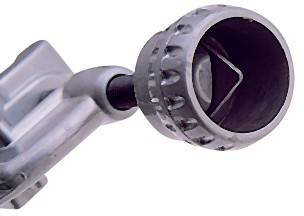
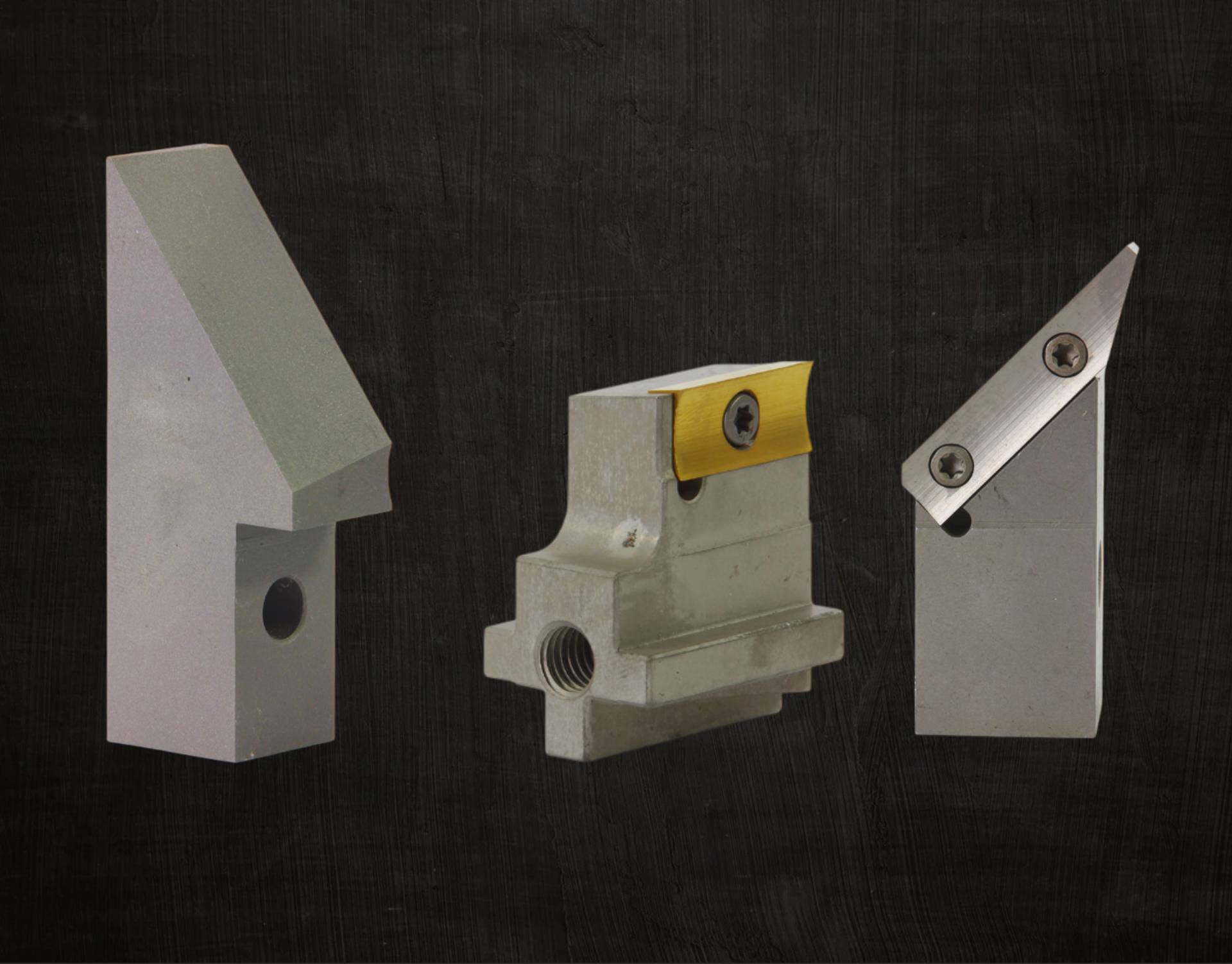
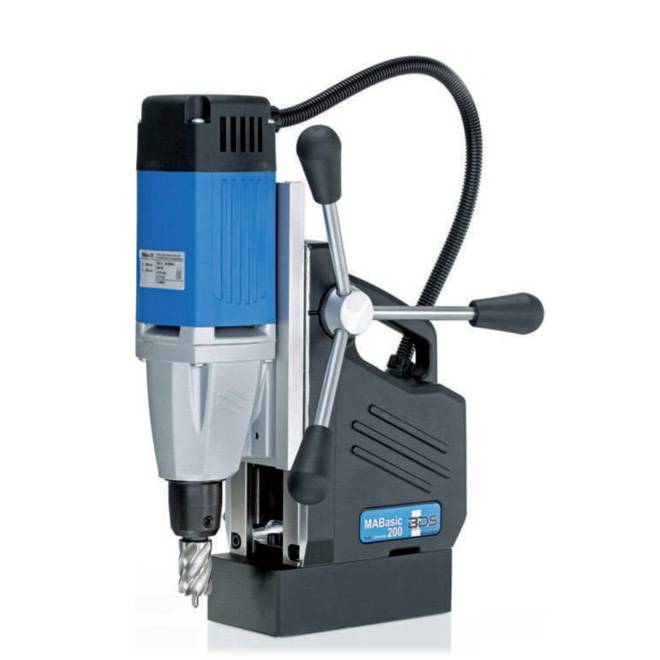
Pipe cutters are powerful machines designed to cut pipes of different diameters quickly and precisely. Bevelling machines are used to bring pipe ends to an angle suitable for welding. These machines are widely used in pipe manufacturing, pipelaying and repair work.
-
What Are Cold Cutting and Cold Bevelling, and What Are Their Advantages Compared With Flame Cutting and Grinding?
2.1. What is cold cutting?
Cold cutting is the process of cutting pipe with a special high-speed cutter. This method requires no use of heat as flame cutting does, which gives an advantage when working on heat-sensitive pipe materials. Used at various industrial plants in Turkey, it lowers energy and labour costs while achieving lower carbon emissions.
2.2. What is cold bevelling?
Cold bevelling is a process in which pipe ends are cut with a special machine for welding. This method ensures the accuracy of the weld bevel and prepares the pipe for a better welded joint. Cold bevelling improves the quality of the pipe weld while at the same time minimising material waste.
2.3. Advantages compared with flame cutting and grinding
a. Less heat generated: Unlike flame cutting and grinding, cold cutting and cold bevelling generate only a small amount of heat on the pipe. This allows the pipe to be cut and shaped without changing its physical properties.
b. Less material loss: During flame cutting and grinding, material loss at the pipe edges is greater. With cold cutting and cold bevelling this loss is minimal, so efficiency increases.
c. Less pollution and environmentally friendly: The fumes, dust and waste gases that arise during flame cutting and grinding can harm the environment. With cold cutting and cold bevelling, environmental impact is reduced and the health of workers in the workplace is protected.
d. Fast and efficient: Cold cutting and cold bevelling offer high-speed cutting and machining processes. That helps speed up production processes and increase working efficiency.
e. Cost savings: Cold cutting and cold bevelling require less energy consumption and less labour. They therefore deliver significant savings in operating costs over the long term.
-
The Use of Pipe Cutters and Bevelling Machines in Turkey
At many pipe manufacturing, petrochemical, energy, construction and shipbuilding plants in Turkey, cold cutting and cold bevelling with pipe cutters and bevelling machines are the preferred approach. The use of this equipment is critically important for ensuring quality pipe cutting and welding, while at the same time offering energy efficiency and environmentally friendly production processes.
Conclusion
Pipe cutters and bevelling machines play an important role in the metal working industry in Turkey. Used together, cold cutting and cold bevelling offer many advantages over flame cutting and grinding. Those advantages include lower energy consumption, environmentally friendly operations, fast and efficient cutting and less material loss. By adopting these methods, industrial plants in Turkey are moving to more competitive and more sustainable production processes