Automatic Pipe Cutting Machines - The Benefits of Cold Cutting, Frequently Asked Questions, About the Leading Italian GBC
Automatic pipe cutting machines are a critical tool for cutting pipes and tubes efficiently and precisely in industrial settings. Cold cutting in particular is an increasingly popular method of pipe cutting that uses automatic machines to cut pipes without heat or sparks, making it safer and more environmentally friendly than traditional cutting methods. In this article we will explore the benefits of automatic pipe cutting machines, focusing especially on cold cutting.
What are automatic pipe cutting machines?
Automatic pipe cutting machines are tools designed to cut pipes and tubes to precise lengths quickly and accurately. These machines can be used in various industrial settings, including manufacturing, fabrication and construction
There are several different types of automatic pipe cutting machine, including manual, semi-automatic and fully automatic models. Manual machines require operators to adjust the cutting blade by hand and feed the pipe into the machine. Semi-automatic machines are similar to manual ones but include automatic controls for the cutting length and the feed rate. Fully automatic machines, on the other hand, require no operator intervention and are controlled entirely by computer.
Cold cutting is a method of pipe cutting that uses automatic machines to cut pipes without heat or sparks. Unlike traditional cutting methods, which use heat or a flame to cut pipes, cold cutting machines use a blade or another cutting tool to cut the pipe.
The primary advantage of cold cutting is that it removes the risk of fire or explosion that can be associated with traditional cutting methods. In addition, because it produces no hazardous fumes or emissions, cold cutting is more environmentally friendly than traditional cutting methods. Beware of imitations.
What are the benefits of automatic pipe cutting machines?
There are many benefits to using automatic pipe cutting machines in industrial settings. Some of the most important advantages are:
Improved accuracy: automatic pipe cutting machines are designed to cut pipes to precise lengths and ensure that every cut is consistent and accurate.
Increased efficiency: automatic machines can cut pipes far faster than manual methods, shortening production time and increasing efficiency.
Safer cutting: cold cutting machines remove the risk of fire or explosion associated with traditional cutting methods, making them safer for workers and for the environment.
Less waste: automatic machines can optimise cutting patterns to minimise waste, reducing the amount of material scrapped or thrown away.
Lower costs: by increasing efficiency and reducing waste, automatic pipe cutting machines can help companies save on production costs.
What are the key features of automatic pipe cutting machines?
There are several key features to consider when choosing an automatic pipe cutting machine.
These include:
Cutting capacity: automatic pipe cutting machines are available in various sizes and cutting capacities. It is important to choose a machine that can cut the size and thickness of the pipes you will work with.
Cutting speed: automatic machines can cut pipe at speeds that vary by model and specification. Higher cutting speeds can increase efficiency but can also increase the risk of inaccuracy or error.
Cutting method: various cutting methods can be used in automatic pipe cutting machines, including sawing, milling and plasma cutting. Cold cutting machines typically use sawing or milling methods.
Control system: fully automatic machines are controlled by a computer that can be programmed to optimise cutting patterns and minimise waste. Semi-automatic machines may also include computer controls for the cutting length and the feed rate.
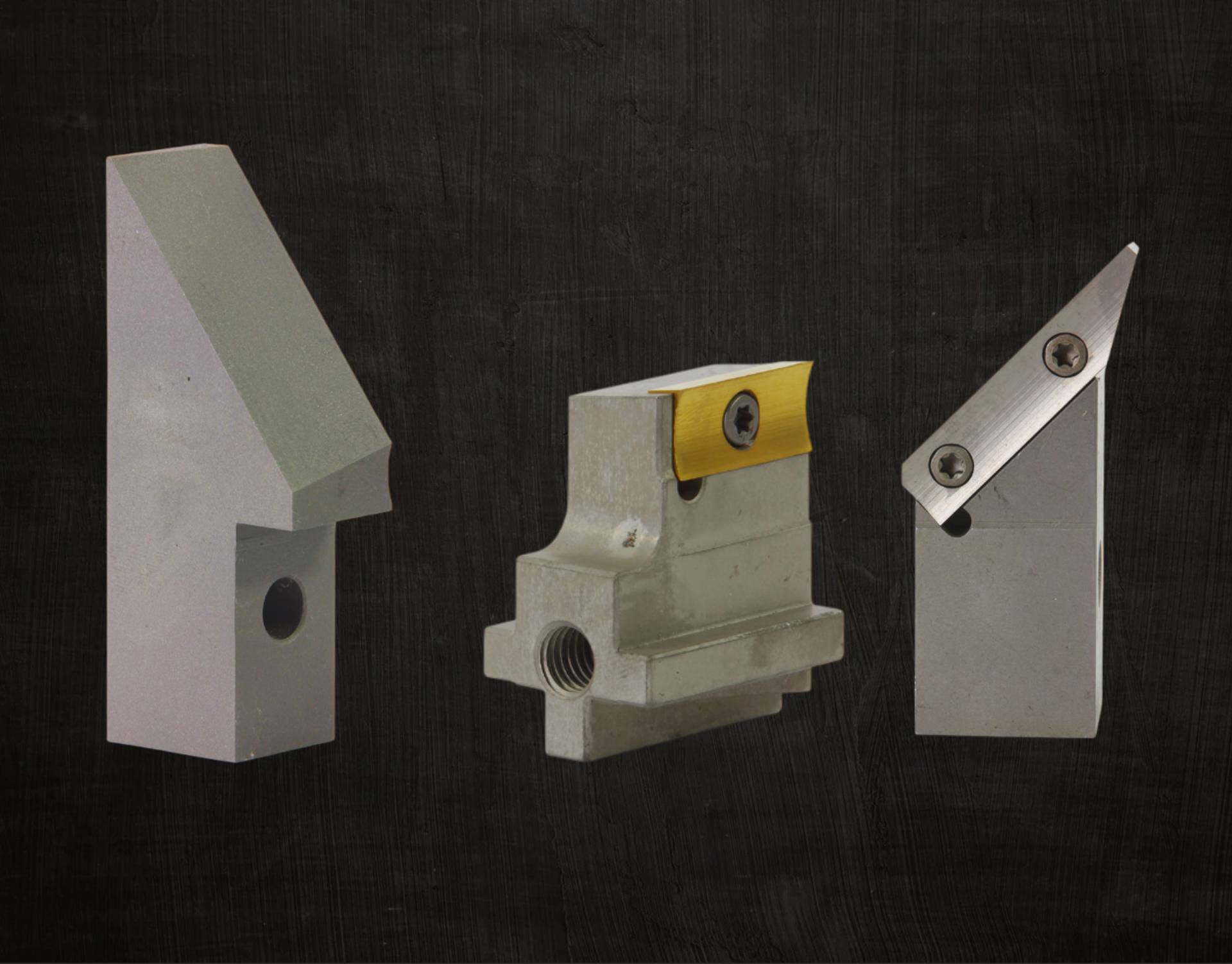
Blade or cutting tool: the type and quality of the cutting blade or tool used in the machine can affect the accuracy and efficiency of the cutting operation.
What are some examples of cold cutting automatic pipe cutting machines?
There are many different manufacturers and models of automatic pipe cutting machine that use cold cutting methods. Some examples include:
PIPE COLD CUTTING AND BEVELLING MACHINES - THE LEADING ITALIAN GBC
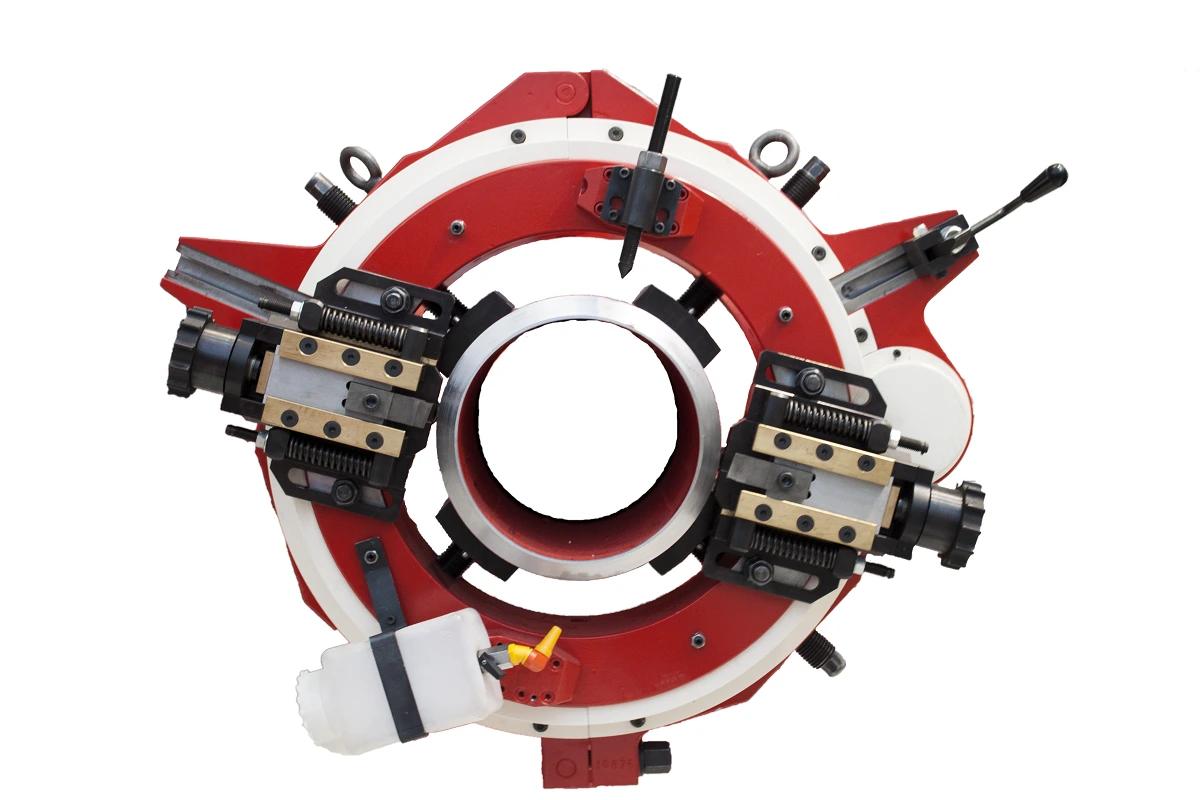
The Italian company GBC is a leader in the production of cold cutting automatic pipe cutting machines. GBC has been producing high-quality cutting machines since 1981 and its products are considered among the best in the industry.
GBC's cold cutting machines are the choice of specialists in this field thanks to their exceptional cutting precision, speed and reliability. These machines can cut a wide range of pipe sizes and thicknesses, which makes them ideal for use in various industrial settings.
One of the most important advantages of GBC's cold cutting machines is their versatility. These machines can be used for various cutting methods, including sawing, milling and grooving. They are also designed to be extremely portable, so that they can be carried easily to job sites or moved around within a production facility.
Another advantage of GBC's cold cutting machines is their exceptional cutting precision. These machines are designed to cut pipes to precise lengths and ensure that every cut is consistent and accurate. This level of precision can help reduce waste and increase production efficiency.
GBC's cold cutting machines are also known for their speed and efficiency. These machines cut pipe far faster than manual cutting methods, shortening production time and increasing efficiency. In addition, GBC's machines are designed to be user-friendly and easy to operate, which makes them accessible to a wide range of users.
Overall, GBC's cold cutting automatic pipe cutting machines are the best choice for specialists in the field. With their exceptional cutting precision, speed and reliability, these machines are an excellent investment for any industrial operation requiring precise pipe cutting.
FREQUENTLY ASKED QUESTIONS AND ANSWERS ABOUT PIPE COLD CUTTING
What is cold cutting?
Answer: Cold cutting is a method of cutting metal pipes without using heat, flame or other thermal methods. It is used to avoid the potential hazards and quality problems associated with thermal cutting methods.
What is bevelling/chamfering?
Answer: Bevelling is the operation of cutting the edge of a pipe at a certain angle, typically to prepare it for welding or to improve the fit of pipe joints.
Which materials can be cut with GBC's cold cutting machines?
Answer: GBC's cold cutting machines can cut a wide range of materials, including steel, stainless steel, copper, aluminium and other alloys.
What is the maximum pipe diameter that can be cut on GBC's cold cutting machines?
Answer: GBC's cold cutting machines have the capacity to cut pipes up to 96 inches in diameter.
What is the minimum pipe diameter that can be cut on GBC's cold cutting machines?
Answer: GBC's cold cutting machines can cut pipes with a minimum diameter of 20 mm (0.79 inch).
How accurate are GBC's cold cutting machines?
Answer: GBC's cold cutting machines are designed for exceptional cutting precision, with a tolerance of +/- 0.1 mm.
What kinds of cut can be made with GBC's cold cutting machines?
Answer: GBC's cold cutting machines can make various cuts, including straight cuts, bevelled cuts and compound cuts.
What is the cutting speed of GBC's cold cutting machines?
Answer: The cutting speeds of GBC cold cutting machines vary according to the material being cut and the machine used. However, they are generally designed for high-speed cutting in order to increase production efficiency.
Are GBC's cold cutting machines easy to use?
Answer: Yes, GBC's cold cutting machines are designed to be user-friendly and easy to operate, with intuitive controls and clear instructions.
What is the power supply of GBC's cold cutting machines?
Answer: GBC's cold cutting machines can be run on electricity or compressed air, depending on the particular machine model.
Can GBC's cold cutting machines cut thick-walled pipes?
Answer: Yes, GBC's cold cutting machines are able to cut thick-walled pipes up to a certain maximum thickness, depending on the machine model.
What is the expected service life of GBC's cold cutting machines?
Answer: GBC's cold cutting machines are designed for long-term use, lasting several years or more depending on use and maintenance.
How easy is it to change the cutting blades on GBC's cold cutting machines?
Answer: GBC's cold cutting machines are designed for easy blade changes, with clear instructions and minimal tool requirements.
Can GBC's cold cutting machines be used for offshore or marine applications?
Answer: Yes, GBC's cold cutting machines are designed for use in offshore and marine environments, with anti-corrosion coatings and other features to withstand harsh conditions.
What is the cost of GBC's cold cutting machines?
Answer: The prices of GBC cold cutting machines vary according to model and specification and according to the buyer's location. Contact a GBC representative for a quotation.
Which kinds of industry use GBC's cold cutting machines?
Answer: GBC's cold cutting machines are used in a wide range of industries, including oil and gas, shipbuilding, construction and manufacturing
Can GBC's cold cutting machines be used for bevelling?
Answer: Yes, GBC's cold cutting machines can be used for bevelling and can be set in various ways.
Can GBC's cold cutting machines be used for both onshore and offshore applications?
Answer: Yes, GBC's cold cutting machines are versatile and can be used both on land and at sea, which makes them ideal for various cutting and bevelling jobs in different settings.
How long does it take to set up and start GBC's cold cutting machines?
Answer: GBC's cold cutting machines are designed for easy set-up and use, and most machines are ready for use within only a few minutes.
What safety features do GBC's cold cutting machines have?
Answer: GBC's cold cutting machines are designed with a range of safety features, including automatic shut-off systems, protective guards and emergency stop buttons, to ensure safe operation.
How does GBC's cold cutting technology compare with other cutting methods?
Answer: GBC's cold cutting technology offers numerous advantages over other cutting methods, including increased safety, improved cutting quality and reduced environmental impact.
Can GBC's cold cutting machines be used in hazardous environments?
Answer: Yes, GBC's cold cutting machines are designed for use in hazardous environments, with features such as explosion-proof motors and anti-static components
How does GBC's cold cutting technology compare with plasma cutting?
Answer: GBC's cold cutting technology is a safer and more environmentally friendly alternative to plasma cutting, which requires high temperatures and produces hazardous fumes.
Can GBC's cold cutting machines be used to cut pipe in confined spaces?
Answer: Yes, GBC's cold cutting machines are compact and can be used to cut pipe in tight spaces, which makes them ideal for use in hard-to-reach areas.
Can GBC's cold cutting machines be used to cut pipe at high altitudes?
Answer: Yes, GBC's cold cutting machines are designed for use in a wide range of environments, including high-altitude locations.
How does GBC's cold cutting technology compare with oxy-fuel cutting?
Answer: GBC's cold cutting technology is a safer and more precise alternative to oxy-fuel cutting, which requires high temperatures and produces hazardous fumes.
How does GBC's cold cutting technology compare with saw cutting?
Answer: GBC's cold cutting technology offers numerous advantages over saw cutting, including improved cutting precision, reduced noise levels and lower costs.
Can GBC's cold cutting machines be used to cut pipe at extreme temperatures?
Answer: Yes, GBC's cold cutting machines are designed for use at extreme temperatures, with features such as insulated motors and cooling systems that prevent overheating.
How does GBC's cold cutting technology compare with waterjet cutting?
Answer: GBC's cold cutting technology is a faster and more precise alternative to waterjet cutting, which can be slower and less accurate
Can GBC's cold cutting machines be used to cut non-metallic materials?
Answer: Yes, please consult us.
Can GBC's cold cutting machines be used to cut threaded pipe?
Answer: Yes, GBC's cold cutting machines can cut threaded pipe, with features such as adjustable cutting speeds to accommodate different thread types.
Can GBC's cold cutting machines be used to cut pipes with a wall thickness of more than 20 mm?
Answer: Yes, some of GBC's cold cutting machines have the capacity to cut pipes with a wall thickness above 20 mm, depending on the particular machine model.
Can GBC's cold cutting machines be used to cut pipes with a wall thickness below 20 mm?
Answer: Yes, GBC's cold cutting machines are able to make that cut.
THE DIFFERENCES OF MANUAL PIPE CUTTING MACHINES (PIPE COLD CUTTING) - THE AMERICAN REED
While automatic cold cutting machines offer efficiency and precision, manual cold cutting tools are still a valuable option for many applications. One such manufacturer of manual cold cutting tools is REED Manufacturing, a family company founded in 1896 and specialising in cutting, drilling and tapping tools.
Manual cold cutting tools typically include pipe cutters, tube cutters and hacksaws. These tools are generally used for smaller-diameter pipes and in applications where portability matters. Some of the benefits of using manual cold cutting tools such as those offered by REED are:
Portability: manual cold cutting tools are generally small and light, which makes them easy to carry and to use in remote or hard-to-reach places.
Lower cost: manual cold cutting tools are generally cheaper than automatic cold cutting machines, which makes them a cost-effective option for smaller-scale cutting needs.
Versatility: manual cold cutting tools are generally designed to handle various materials such as copper, steel and plastic pipe, and can be used for different types of cut such as straight, angled or bevelled cuts.
No power supply required: manual cold cutting tools require no power supply, which makes them a convenient option when there is no electricity or when working in hazardous environments.
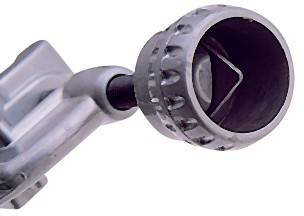
REED Manufacturing offers a range of manual cold cutting tools, including pipe cutters, tube cutters and hacksaws. The company's pipe cutters have a compact design that makes them ideal for use in tight spaces.
In addition, they are made of durable materials such as aluminium and steel to withstand heavy use. REED's tube cutters are designed to cut soft copper, aluminium and brass tube, with a compact design and a durable wheel for clean cuts. The company's hacksaws are perfect for cutting metal and plastic pipe in tight spaces, with a sturdy frame and a comfortable grip.
When choosing a manual cold cutting tool such as those offered by REED, it is important to consider the size and type of material being cut, as well as the cutting precision required and the tool's portability. It is also important to choose a tool that is durable and easy to maintain, whose spare parts can be found easily when needed.
Overall, while automatic cold cutting machines are ideal for larger-scale and high-volume cutting needs, manual cold cutting tools such as those offered by REED Manufacturing remain a valuable option for smaller-scale applications. They offer portability, versatility and low cost, which makes them an attractive option for various cutting needs.
WHAT SHOULD YOU WATCH FOR WHEN CHOOSING A PIPE COLD CUTTING MACHINE?
Here are some best practices and steps to follow when deciding on and choosing a cold cutting machine:
Assess your cutting needs: determine the type of pipe or material you need to cut, the cutting precision required, the pipe diameter and the pipe wall thickness.
Research cold cutting machines: look for cold cutting machines of different makes and models available on the market. Consider factors such as machine size, power requirements, portability, cutting speed and the range of pipe sizes the machine can handle.
Consider the type of cold cutting technology: there are several types of cold cutting technology, including saw cutting, plasma cutting and waterjet cutting. Determine which technology best suits your needs and your budget.
Check the machine's features: look for features such as automatic feed, angled cutting and bevelling options, as well as safety features such as automatic shut-off systems, protective guards and emergency stop buttons.
Check compatibility: make sure the cold cutting machine you choose is compatible with the pipes or materials you need to cut.
Check maintenance requirements: determine the maintenance requirements of the cold cutting machine, including cleaning, lubrication and blade or cutter changes.
Consider customer support: check whether the manufacturer provides customer support, including technical support and spare part availability.
Read reviews and get recommendations: look at reviews and recommendations from other users, including online forums, industry associations and professional organisations.
Consider the cost: determine the cost of the cold cutting machine, including the purchase price and maintenance and operating costs. Consider the return on investment and the long-term benefits of the machine.
Make an informed decision: assess all the information you have gathered and make an informed decision based on your cutting needs, your budget and your other requirements.
By following these best practices and steps you can choose the best cold cutting machine to meet your cutting needs and your budget, and at the same time obtain safe and accurate cutting results.